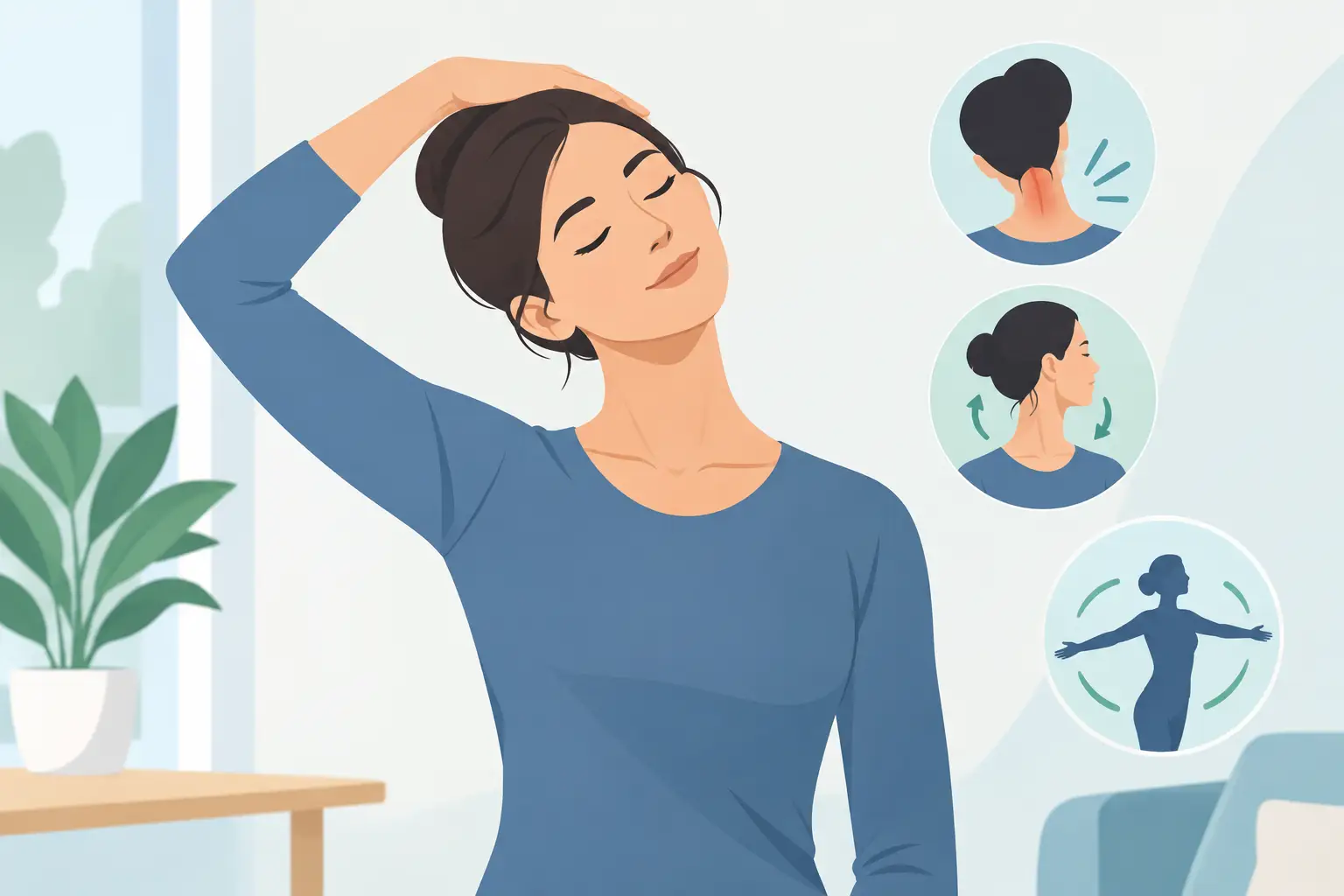
A tight calf on a run, a shoulder that stiffens after long days at a desk, or legs that still feel heavy several days after training can all make movement less enjoyable. Sports massage Faringdon appointments offer a practical, hands-on option for people who want help with muscle tension, recovery and comfortable movement – whether they play sport regularly or simply want to stay active in everyday life.
Sports and remedial massage is not reserved for elite athletes. It can be individually tailored around your current symptoms, activity levels, work demands and goals. For some people, that means supporting recovery around a training plan. For others, it means addressing the build-up of tension that makes walking, gardening, lifting or sitting at work less comfortable.
What sports massage is designed to support
Sports massage uses a range of manual techniques to work with muscles and other soft tissues. Pressure, pace and technique should be adjusted to the person in front of the practitioner, rather than following a fixed routine. A treatment for a cyclist preparing for an event may feel very different from one for someone whose neck and upper back have become uncomfortable through prolonged screen work.
The aim is usually to reduce feelings of tightness, encourage easier movement and support recovery. Massage may also help you become more aware of areas that repeatedly feel overloaded, such as calves after increased running mileage or shoulders after hours at a laptop. That information can be useful when deciding how to adapt training, work set-up or daily habits.
It is not a substitute for an accurate diagnosis where one is needed, and it will not always be the right first treatment. Persistent pain, a sudden injury, joint swelling, numbness, significant weakness or symptoms that are getting worse deserve proper assessment. This is where an integrated clinic can be especially helpful: massage may sit alongside physiotherapy, osteopathy, podiatry or rehabilitation when a broader plan is appropriate.
Who may benefit from sports massage in Faringdon?
Many people seek massage after exercise has left them feeling stiff or heavy, but the reasons for booking are wider than post-workout soreness. Recreational runners, gym-goers, cyclists, rugby players and people returning to activity after time away may use it as part of their recovery routine. Others book because a physically demanding job, long commute or desk-based role has contributed to muscular discomfort.
Sports massage can be considered when you are managing recurring muscle tightness, reduced flexibility, a sense of fatigue after activity, or discomfort that seems linked to load and movement. It can also be useful before a period of increased activity, such as a charity walk, sporting event or return to regular exercise, provided expectations are realistic. A vigorous treatment immediately before an important event may leave some people feeling temporarily tender, so timing matters.
Age and sporting background do not determine whether massage is suitable. What matters is your health history, current symptoms and what you would like to be able to do more comfortably. Someone training for a half marathon and someone hoping to keep up with grandchildren may both benefit from a thoughtful, personalised approach.
Recovery support, not a quick fix
It is understandable to want a single appointment to resolve a problem that has been frustrating for weeks or months. Sometimes massage brings welcome relief quickly, particularly where muscle tension is a major factor. More often, lasting progress depends on the cause of the irritation, your activity levels, sleep, stress, strength, mobility and recovery between sessions.
Your practitioner may therefore discuss simple changes alongside hands-on treatment. This could include pacing an increase in training, varying your position during the working day, allowing adequate recovery after a demanding session, or adding targeted exercises recommended by another member of the clinical team. The purpose is not to give you a long list of rules. It is to make treatment useful beyond the appointment room.
What happens at a sports massage appointment?
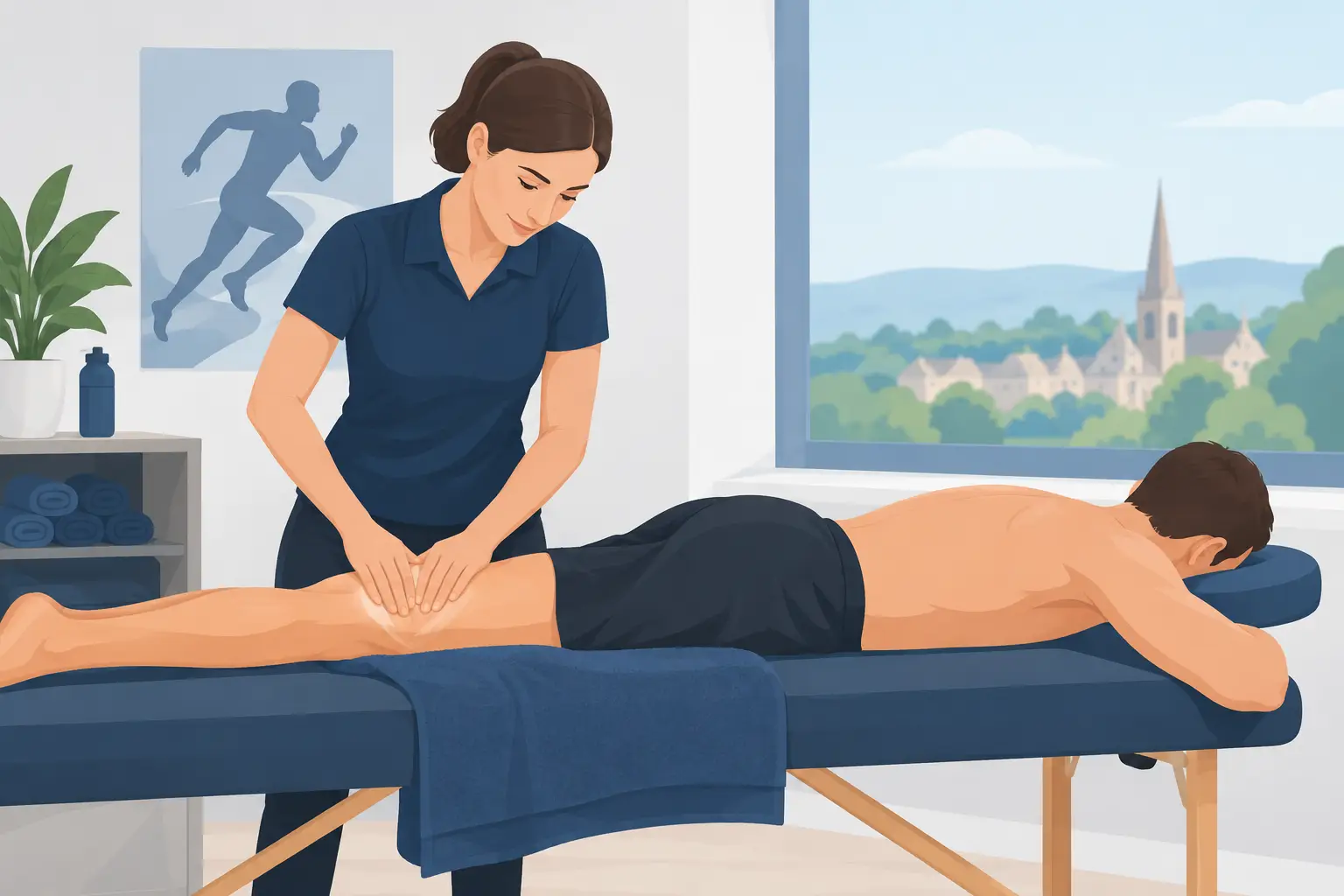
A good appointment begins with listening. Before treatment starts, the practitioner should ask about the area that is troubling you, when it began, what aggravates or eases it, your usual activity and relevant medical history. They may also look at how you move or assess the surrounding muscles and joints to understand what may be contributing.
You remain in control throughout the session. The practitioner should explain what they are doing, seek your consent and check that the pressure is manageable. Sports massage can involve firm work, but it does not need to be painful to be worthwhile. More pressure is not automatically better, particularly when tissues are already sensitive or you are new to massage.
Depending on your needs, treatment may include slower, deeper work for areas of persistent tension, gentler techniques to settle sore tissues, or work across neighbouring regions that are contributing to how you move. For example, ongoing calf tightness may need consideration of ankle movement, running load and foot mechanics rather than repeated attention to the calf alone.
Afterwards, it is common to feel relaxed, lighter or more mobile. Some people experience short-lived tenderness, especially after a first session or more focused work. Your practitioner can advise on what is sensible for you afterwards, including hydration, activity and whether to train that day. If anything feels unexpected or symptoms worsen significantly, seek advice promptly.
When massage may need to wait
There are occasions when massage should be postponed, adapted or replaced by a medical assessment. Acute injury with marked swelling, suspected fracture, severe unexplained pain, fever or feeling unwell, active infection, a new blood clot concern, or a sudden loss of strength or sensation should not be treated as routine muscle tightness.
It is also important to mention medication, recent surgery, pregnancy, skin conditions, circulation concerns, cancer treatment or any medical diagnosis that may affect treatment. This does not necessarily mean massage is unsuitable. It means the practitioner can make an informed decision, modify the session where needed and help you choose the safest next step.
Sports massage and rehabilitation work best together
Massage can be a valuable part of a plan, but it is rarely the whole plan when symptoms keep returning. If pain is connected to a tendon problem, joint restriction, altered balance, footwear, a previous injury or a sudden jump in training load, those factors may need attention too.
For example, a runner with recurring shin discomfort may benefit from soft-tissue treatment while also having their training progression, lower-limb strength and foot function assessed. A desk worker with shoulder tension may feel easier after massage but make more durable progress with ergonomic advice and exercises that improve upper-back and shoulder control.
At Faringdon Wellbeing Clinic, sports and remedial massage can be part of coordinated support where appropriate. This gives you access to practitioners with different expertise without losing sight of your own priorities. You may only need massage. Equally, you may benefit from a combined approach that supports pain relief, movement confidence and a safe return to the activities that matter to you.
Choosing the right timing and frequency
There is no universal schedule for sports massage. A person in the middle of a demanding training block may choose appointments differently from someone managing occasional work-related tightness. Your response to treatment, budget, goals and the advice of your practitioner should all shape the plan.
Some people book a session when a specific issue arises. Others find occasional maintenance appointments helpful during busy periods, particularly when they are less able to prioritise recovery. If you are in pain, it is usually more helpful to focus on the pattern behind it than to keep booking treatment without reviewing whether anything is changing.
The best outcome is not dependence on regular massage. It is feeling more informed about your body, more confident in your movement and better able to do the sport, work and everyday activities you value. A considered sports massage appointment can be a positive first step towards that goal.