A stiff neck after hours at a desk, a knee that has not felt right since a run, or back pain that makes putting on your shoes difficult can leave you asking the same practical question: osteopathy versus physiotherapy, which is right for me? The honest answer is that either may be helpful, depending on your symptoms, goals, medical history and the clinician’s assessment.
Both professions support people with pain, injury and reduced movement. Both can use hands-on treatment, advice and exercise to help you return to everyday activities with more comfort and confidence. The differences are often found in their clinical emphasis, the way an appointment is structured, and the type of rehabilitation or treatment plan that best suits your needs.
Osteopathy versus physiotherapy: the main difference
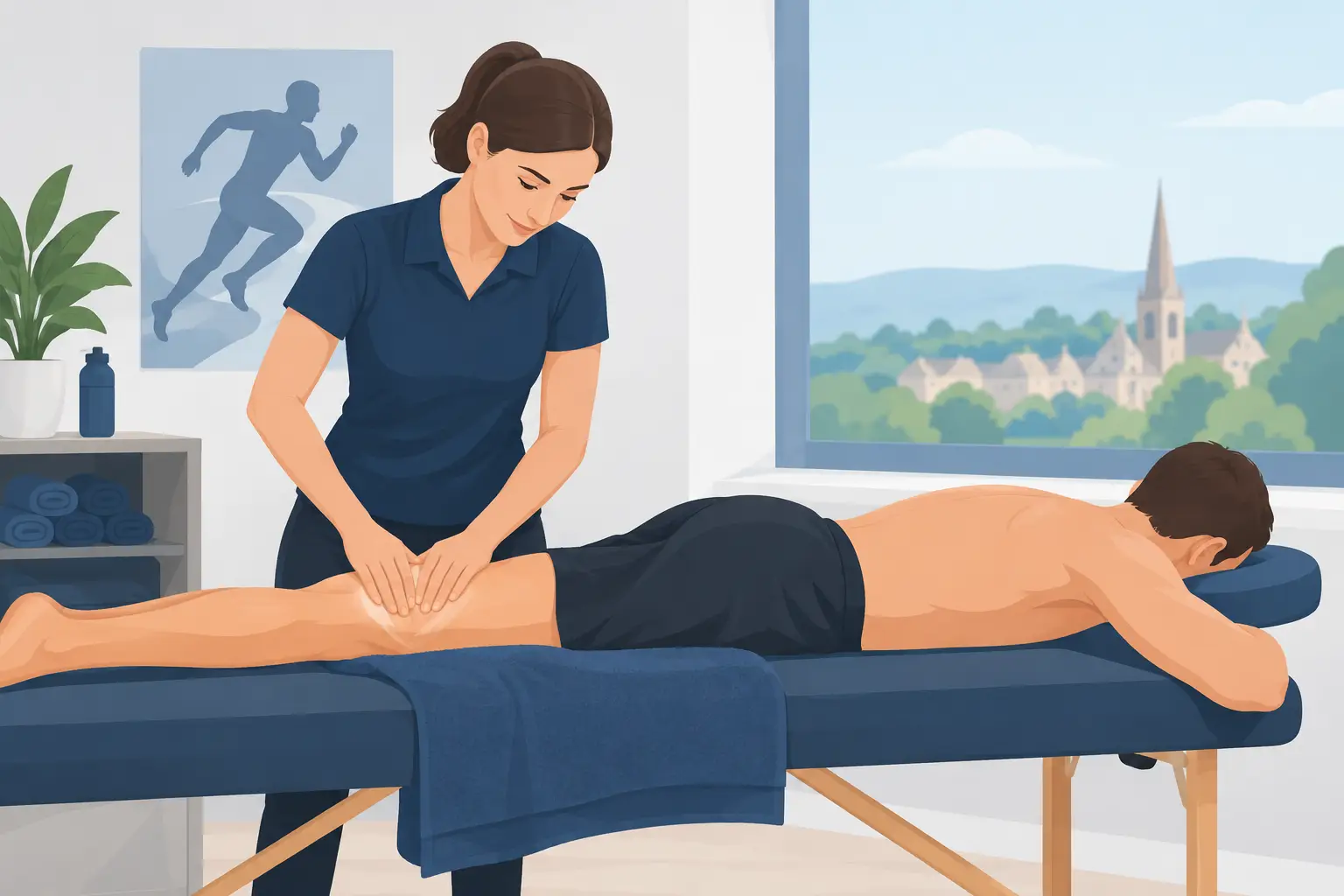
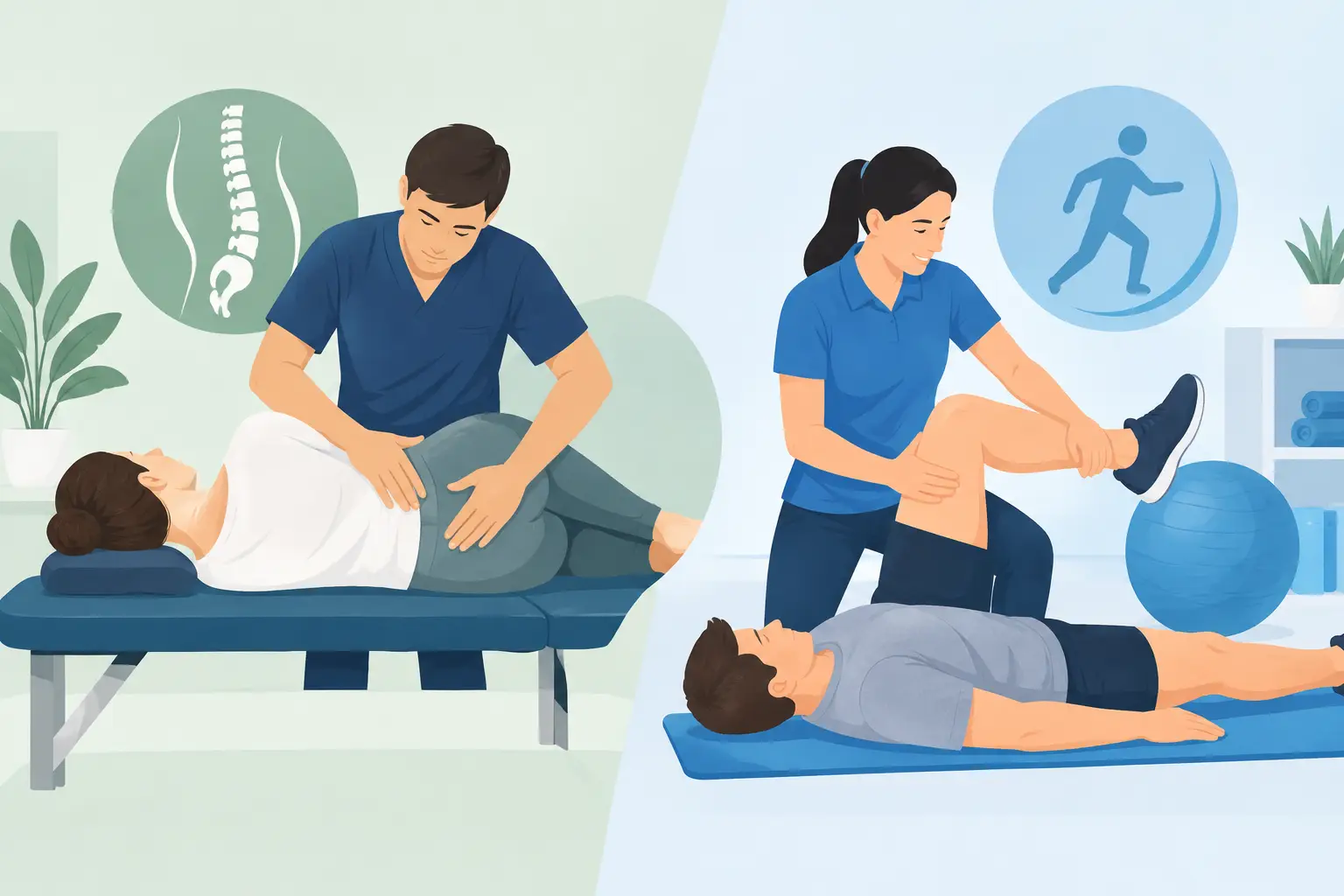
Osteopathy typically takes a broad view of how the body is moving and coping as a whole. An osteopath will assess the painful area, but may also look at the joints, muscles, posture, movement habits and previous injuries that could be contributing to it. Treatment may include joint mobilisation, soft tissue techniques, stretching, advice and tailored exercises.
Physiotherapy is often strongly focused on restoring function after injury, surgery, illness or a change in physical capacity. A physiotherapist will assess movement, strength, balance, control and tolerance to activity, then build a rehabilitation plan around your goals. This might mean returning to sport, walking comfortably after an operation, managing a recurrent shoulder problem or feeling safer on your feet.
There is significant overlap. Many osteopaths prescribe rehabilitation exercises, and many physiotherapists use manual therapy where it is appropriate. Neither profession is limited to one body part or one treatment technique. A good assessment should lead the plan, rather than a fixed label or a one-size-fits-all approach.
In the UK, osteopath is a protected title and osteopaths must be registered with the General Osteopathic Council. Physiotherapist is also a protected title, with physiotherapists registered through the Health and Care Professions Council. These professional standards help ensure that your care is delivered by a properly qualified practitioner.
When osteopathy may be a good fit
Osteopathy may appeal if you would like a detailed hands-on assessment alongside practical guidance on movement, work set-up and daily activities. It is commonly sought for back and neck pain, joint stiffness, muscular aches, headaches linked to neck tension, and discomfort that seems to affect more than one area.
For example, someone with lower back pain may also be moving differently through their hips, holding tension through the upper back or avoiding certain movements through fear of provoking pain. An osteopath can explore these patterns and provide treatment to improve mobility and comfort, while helping the person build confidence in moving again.
Hands-on treatment can feel useful for short-term symptom relief, particularly when pain or stiffness is making normal activity difficult. However, it is usually most effective when combined with an active plan. This may include specific exercises, pacing strategies, ergonomic changes or gradual exposure to the movements you have been avoiding.
Osteopathy is not simply about “putting things back into place”. Modern osteopathic care should be based on a thorough assessment, clear explanation and an individually tailored plan that reflects your health, preferences and aims.
When physiotherapy may be the better choice
Physiotherapy is often particularly valuable where structured rehabilitation is central to recovery. This includes sports injuries, tendon pain, post-operative rehabilitation, recurrent joint problems, muscle weakness, balance concerns and reduced mobility after a period of illness or inactivity.
If you have sprained an ankle and want to return to football, for instance, a physiotherapist can assess swelling, range of movement, strength, balance and running or jumping control. Your treatment may progress from settling symptoms to restoring capacity, then practising the demands of your sport. The goal is not only to feel better at rest, but to reduce the chance of the same injury happening again when you return to activity.
Physiotherapy can also be highly helpful for desk-based professionals whose discomfort is affected by prolonged sitting, repetitive tasks or an unsuitable workstation. Treatment may include hands-on techniques where needed, but the longer-term value often lies in building strength, improving movement options and making realistic adjustments to your working day.
For older adults, physiotherapy can support confidence with walking, stairs, balance and everyday independence. Small, consistent improvements in leg strength, balance reactions and activity tolerance can make a meaningful difference to how secure someone feels at home and out in the community.
Treatment is not a competition
It can be tempting to look for a single winner in the osteopathy versus physiotherapy debate. In reality, the right choice is rarely about which profession is “better”. It is about which clinician and treatment approach best match the problem in front of you.
Some people want early hands-on treatment to ease pain and stiffness, followed by a clear exercise programme. Others are ready to focus on progressive rehabilitation from the start. Many benefit from both approaches at different stages of recovery. A runner with calf pain, for example, might need help managing sensitive tissue in the short term, while also working through a progressive loading plan before returning to hill training.
The quality of the assessment matters more than the title alone. You should expect your practitioner to ask about how the problem began, what aggravates or eases it, your general health, medication, activity levels and personal goals. They should examine you appropriately, explain their findings in plain language and discuss the likely benefits and limitations of treatment.
A clinician should also be willing to adapt the plan. If a treatment is not helping, or if your symptoms change, the next step may be different exercises, another type of treatment, further investigation or a referral to another healthcare professional.
Questions to help you choose
Before booking, think about the outcome that matters most to you. Are you looking to move more comfortably day to day, return to a particular sport, recover after surgery, manage repeated flare-ups, or improve balance and confidence? Sharing this at your first appointment helps your practitioner shape care around what you need.
It can also help to ask whether the practitioner has experience with your type of problem, whether treatment will include rehabilitation, and how progress will be measured. A useful plan has clear aims. That might be walking the dog without back pain, lifting a child comfortably, completing a full workday, or returning to a weekly exercise class.
You do not need a perfect diagnosis before seeking help. In many cases, a qualified osteopath or physiotherapist can assess the issue and guide you towards suitable care. At Faringdon Wellbeing Clinic, our multidisciplinary team can also support coordinated care where a combination of assessment, hands-on treatment, rehabilitation or other specialist input would be helpful.
When to seek medical advice first
Most muscle and joint pain improves with appropriate management, but some symptoms need urgent medical assessment rather than routine therapy. Seek prompt medical advice for severe pain following significant trauma, unexplained weight loss, fever or feeling unwell with back pain, new weakness, numbness around the saddle area, or changes to bladder or bowel control.
You should also speak to a healthcare professional if pain is persistent, worsening, repeatedly wakes you at night, or is not behaving as expected. A responsible practitioner will screen for these concerns and help you access the right service.
The best starting point is the practitioner who listens carefully, assesses you properly and gives you an achievable plan. Whether that is osteopathy, physiotherapy or a combination of both, the aim is the same: to help you move with greater ease and return to the parts of life that matter to you.