Jaw tension can make ordinary moments surprisingly difficult. You may notice a tight, tired feeling around your cheeks or temples, clicking when you eat, morning headaches, or a jaw that feels as though it never quite switches off. Learning how to relieve jaw tension starts with reducing strain in the moment, then looking at the habits, movement patterns and stresses that may be keeping it there.
Gentle self-care can often settle mild symptoms. However, persistent pain, reduced mouth opening or symptoms affecting eating, sleep or confidence deserve an individual assessment. The aim is not simply to loosen the jaw for an hour, but to help it move comfortably and function well in everyday life.
Why does jaw tension develop?
The jaw is closely connected to the muscles of the face, neck and upper back. When those areas work harder than usual, the jaw can become overactive too. Clenching or grinding the teeth, particularly during sleep, is a common contributor. Stress, concentration and pain elsewhere in the body can all increase the tendency to hold the teeth together.
Desk-based work can also play a part. Leaning forwards towards a screen, holding a mobile phone between the shoulder and ear, or spending long periods with the head fixed in one position may load the neck and jaw muscles. Chewing gum regularly, eating very chewy foods, nail biting and wide yawning can aggravate an already sensitive jaw.
Sometimes jaw tension is linked with temporomandibular joint, or TMJ, irritation. This does not always mean there is damage to the joint. It may reflect a temporary change in how the joint and its surrounding muscles are tolerating load. The right approach depends on your symptoms, medical history and whether the main driver is muscle tension, joint irritation, teeth grinding, neck discomfort or a combination of factors.
How to relieve jaw tension at home
Start by giving your jaw a more relaxed resting position. When you are not eating or speaking, allow a small space between your upper and lower teeth. Rest the tip of your tongue lightly on the roof of your mouth, just behind your upper front teeth, without pressing hard. Your lips can be together, but your teeth do not need to touch.
This can feel unfamiliar if you clench often. Set a few quiet reminders during the day, especially while working, driving or concentrating. Each time, let your shoulders drop, breathe out slowly and check whether your teeth are touching. Repeated short resets are generally more helpful than trying to hold one perfect position all day.
Use warmth and gentle massage
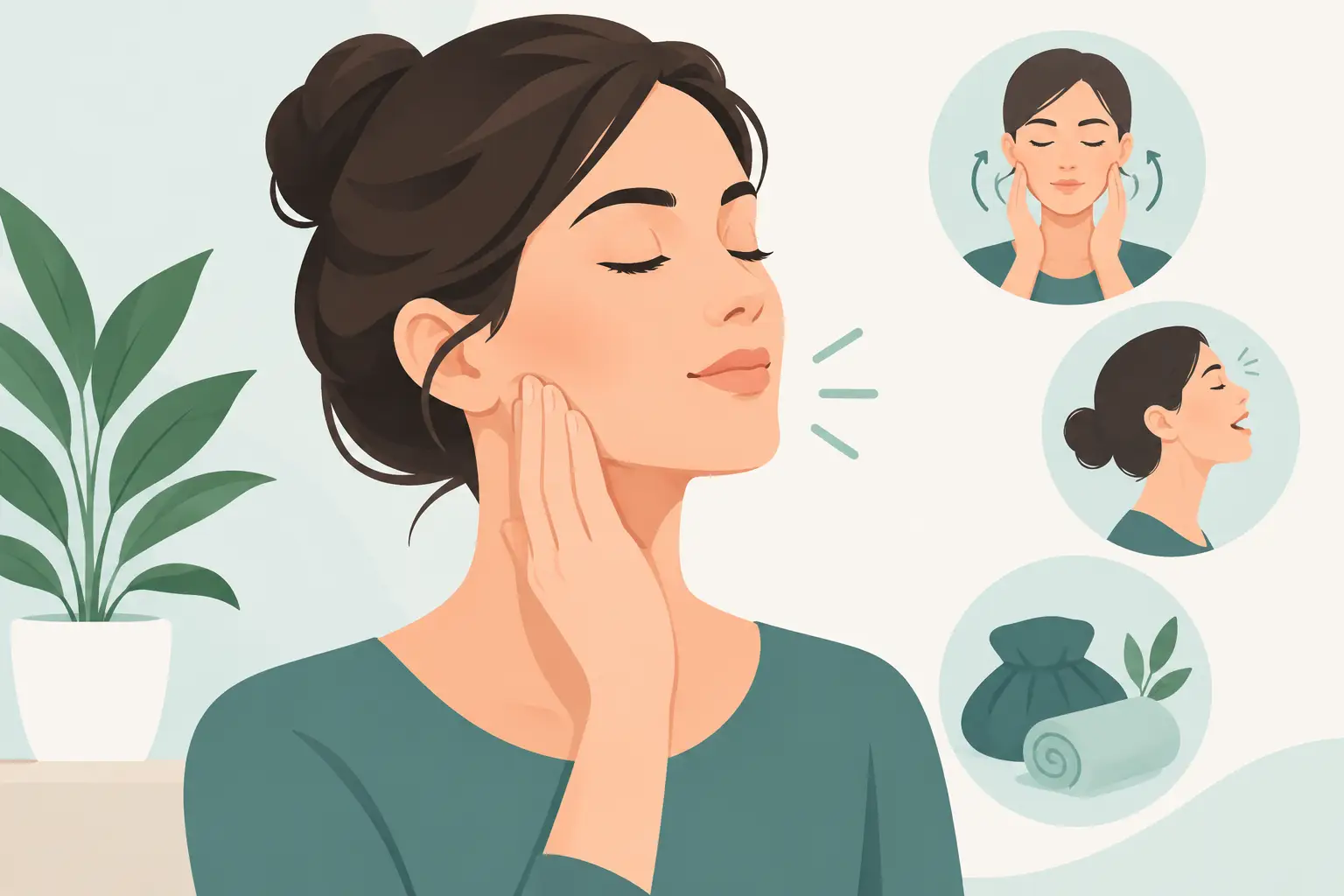
If the area feels tight rather than acutely swollen or recently injured, a warm flannel or heat pack applied over the cheek for 10 to 15 minutes may feel soothing. Keep the heat comfortably warm, not hot, and protect your skin with a layer of fabric.
You can then use clean fingertips to make slow, light circles over the cheek muscles, particularly the fuller muscle in front of the angle of the jaw. Massage the temples with gentle pressure too, as these muscles can work hard during clenching. Avoid digging into tender areas or trying to force a knot away. Painful pressure may cause the muscles to guard more.
Try calm, controlled movement
Jaw movement should feel easy and controlled. With the tongue lightly resting on the roof of the mouth, slowly open and close the mouth within a comfortable range. Aim for a small movement at first, rather than testing how wide you can open. Five to 10 gentle repetitions, once or twice a day, can be enough when symptoms are irritated.
If your jaw opens unevenly, clicks painfully or catches, do not try to correct it by pushing it sideways. An assessment can help identify whether movement exercises are suitable for you and how they should be progressed.
Reduce the load while symptoms settle
For a few days, choose foods that do not require prolonged or forceful chewing. Cut firmer foods into smaller pieces, take smaller bites and avoid chewing gum. Try not to lean your chin into your hand, bite pens or repeatedly test a click or crack in the jaw.
This is not about avoiding normal use forever. The jaw usually benefits from gradual, comfortable movement. It is about temporarily reducing the activities that repeatedly flare symptoms, then rebuilding tolerance at a pace that suits you.
Settle the nervous system, not just the jaw
Jaw tension is often more noticeable during busy or stressful periods. A few minutes of slower breathing can reduce the urge to clench. Breathe in gently through your nose, then make the out-breath a little longer than the in-breath. As you breathe out, soften the tongue, cheeks, shoulders and hands.
Sleep matters too. If you wake with a sore jaw or headaches, note whether this follows a stressful week, alcohol, poor sleep or an uncomfortable sleeping position. A simple symptom diary can reveal patterns that are otherwise easy to miss.
Support your neck and workstation
The jaw does not work in isolation, so it is worth looking beyond the face. Position your screen so that you are not regularly bending your neck downwards, and bring frequently used items within easy reach. Take brief movement breaks rather than staying in the same posture for hours.
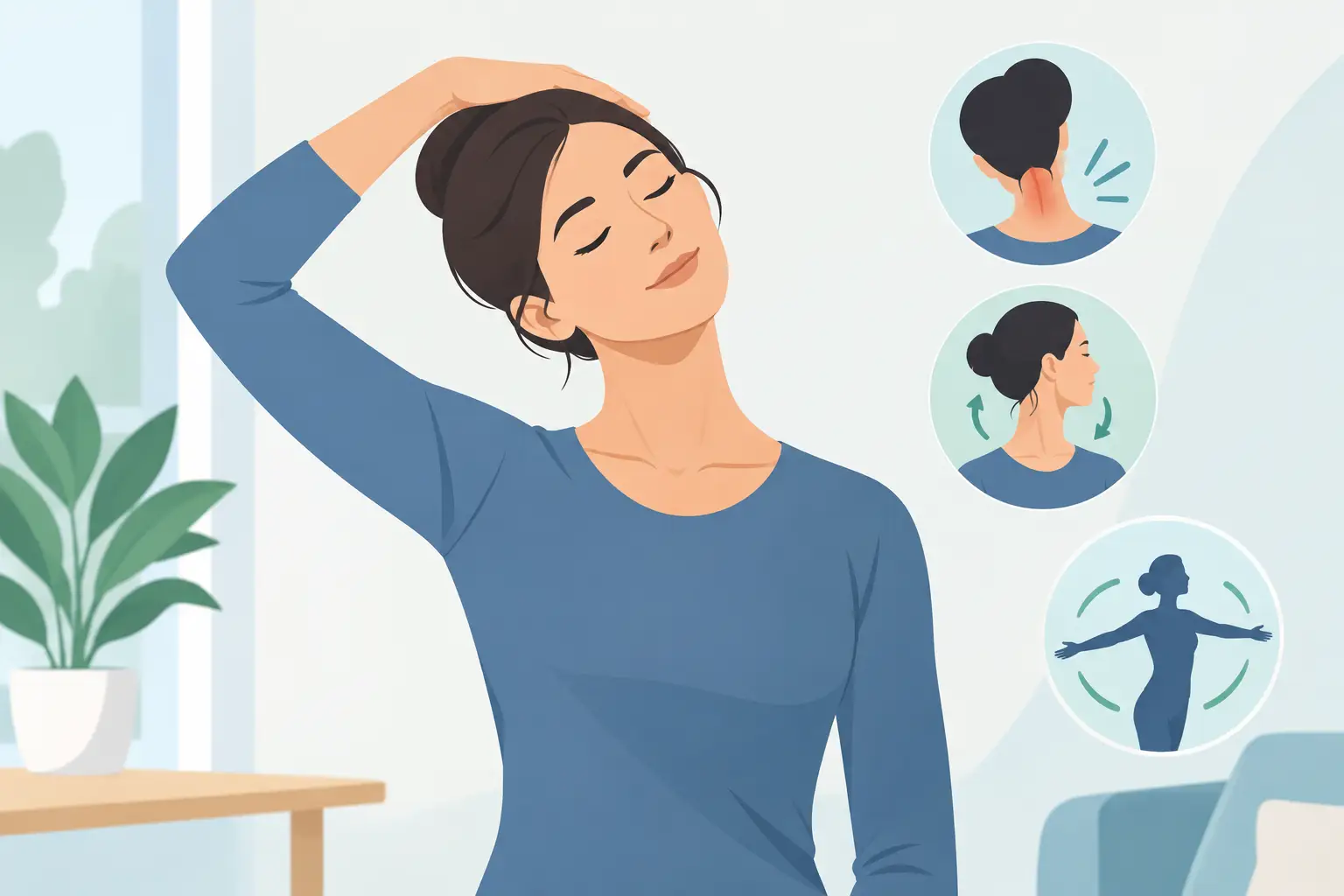
You do not need to sit rigidly upright all day. A comfortable, varied posture is usually more realistic and more helpful. Gentle neck turns, shoulder rolls and a short walk can reduce the background tension that feeds into the jaw. If your work involves regular phone calls, use a headset rather than trapping the mobile phone between your shoulder and ear.
When a professional assessment can help
If jaw tension keeps returning, professional support can help you understand what is driving it and create a plan around your daily life. Assessment may include your jaw movement, chewing muscles, neck and upper-back mobility, posture, breathing habits and the activities that trigger symptoms.
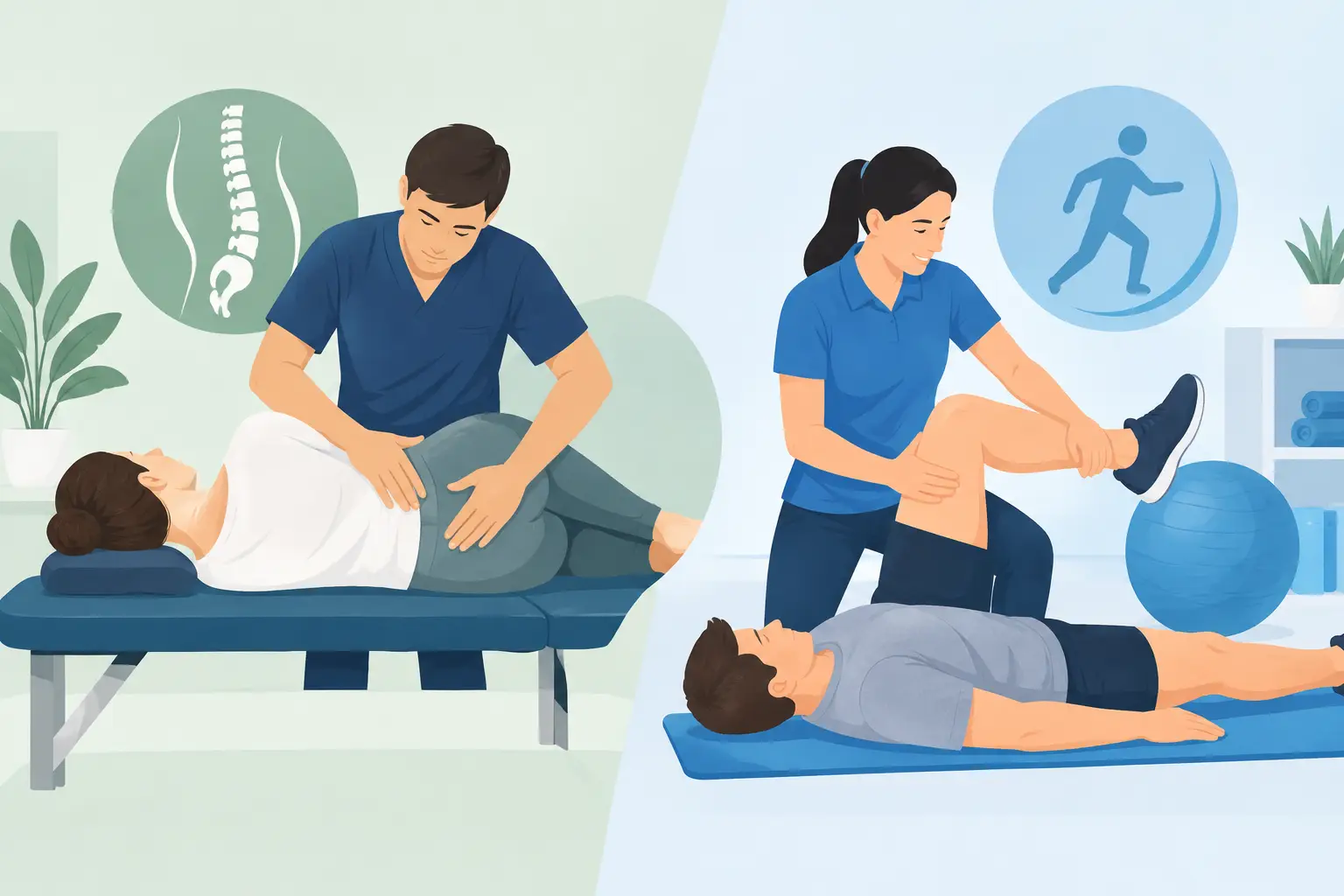
Depending on your needs, a practitioner may use hands-on treatment, soft-tissue techniques, movement rehabilitation and practical advice on pacing, work set-up and self-management. Treatment should be individually tailored, with clear discussion of what feels appropriate for you. If teeth grinding, tooth wear or bite concerns are involved, a dentist is best placed to assess whether dental treatment or a protective appliance is needed.
At Faringdon Wellbeing Clinic, our expert team can take a whole-person view of jaw, neck and movement-related symptoms, helping you choose the support that fits your goals. Coordinated care can be particularly useful when jaw discomfort sits alongside headaches, neck pain, voice strain or stress-related muscle tension.
When not to wait for advice
Arrange prompt medical or dental advice if you have severe or worsening jaw pain, facial swelling, fever, a recent injury, difficulty swallowing or breathing, numbness, a persistent change in your bite, or you cannot open or close your mouth normally. A jaw that becomes locked needs timely assessment.
It is also sensible to seek advice for pain that lasts more than a few weeks, frequent headaches, ear symptoms without a clear ear cause, or symptoms that are disrupting meals or sleep. Not every click needs treatment, particularly when it is painless and the jaw moves freely, but pain and loss of function should not be ignored.
A relaxed jaw is not achieved by forcing it to be still. Small, regular moments of release, comfortable movement and the right support can help you feel more at ease when you speak, eat, work and rest.