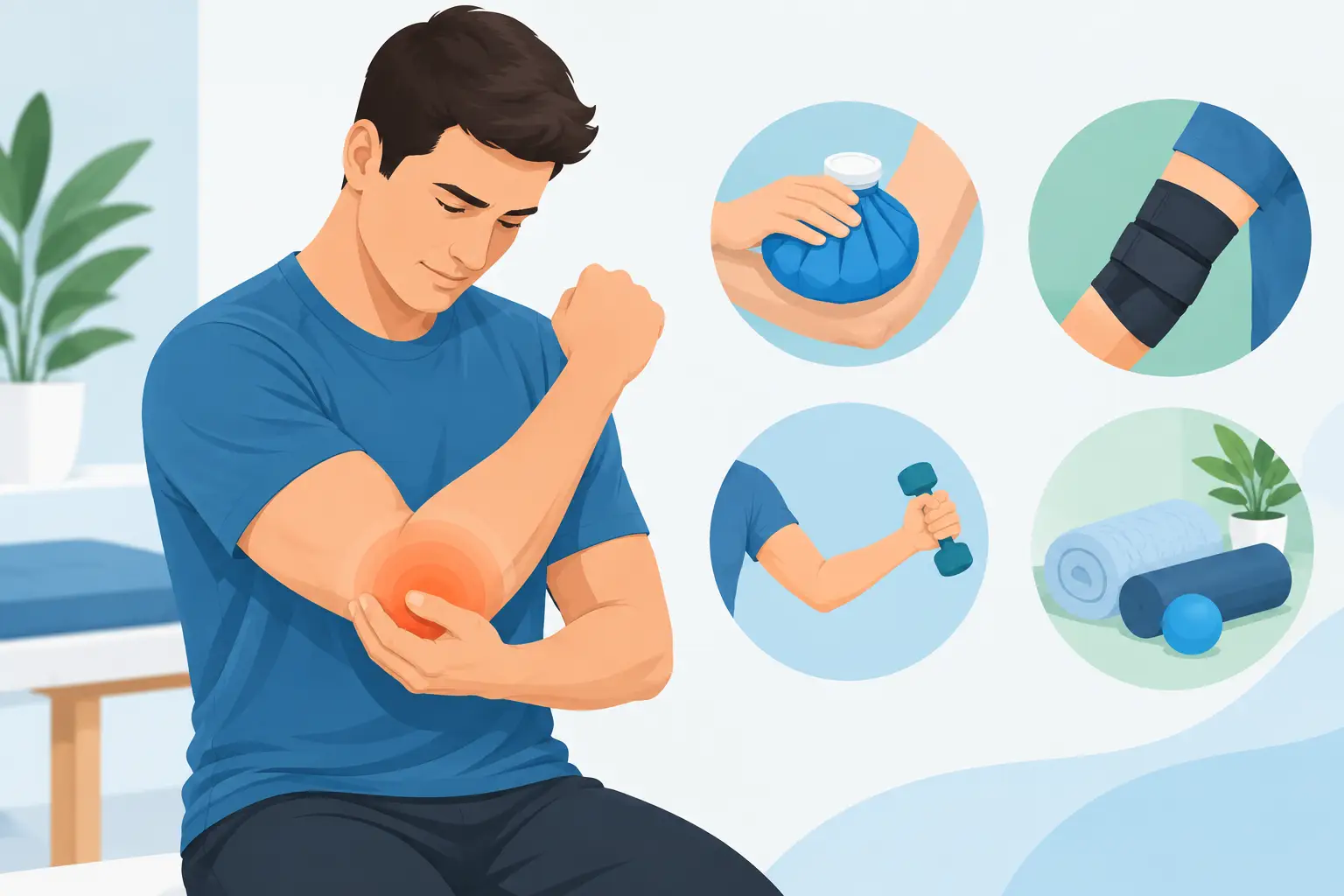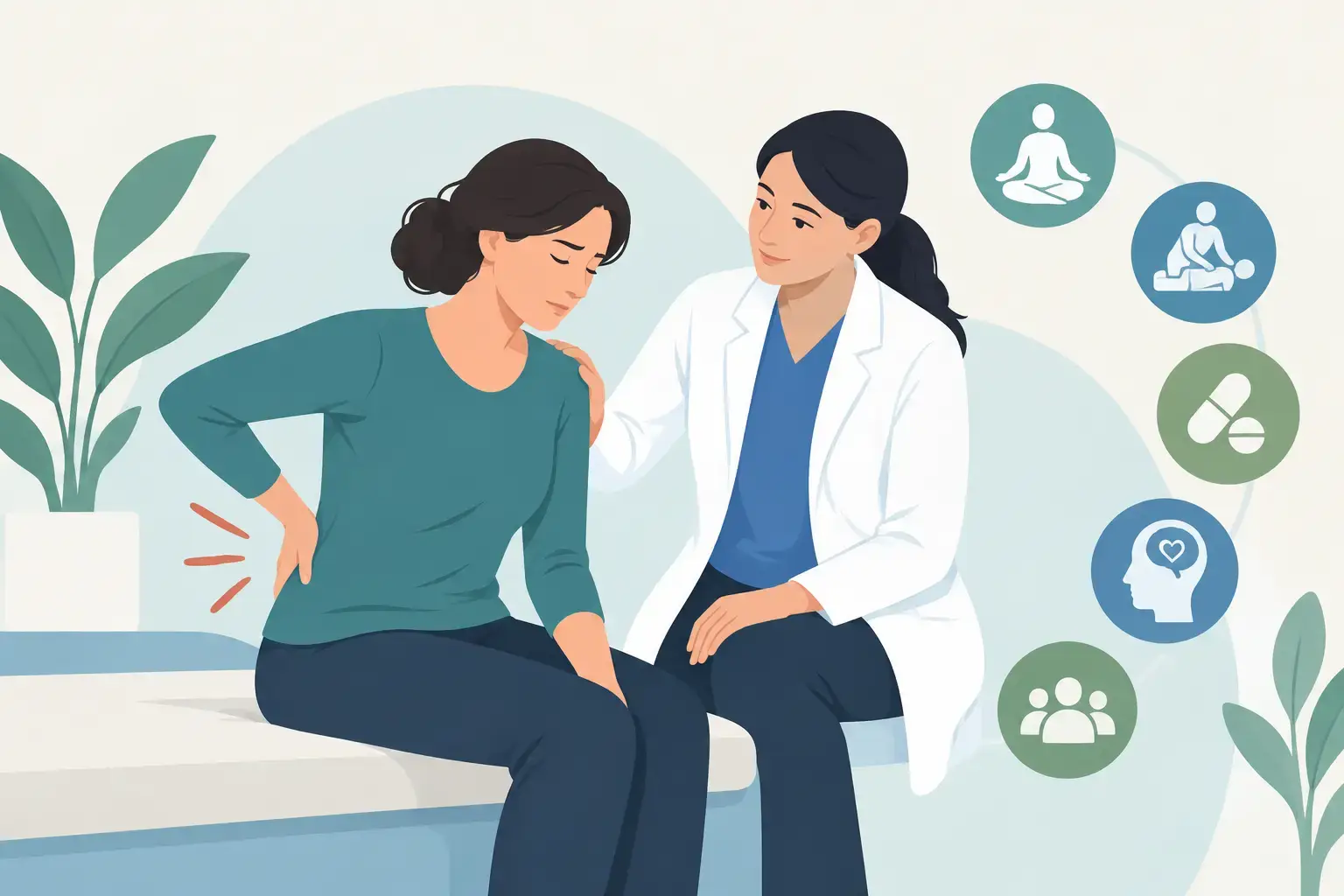
Pain management is rarely about simply finding the treatment that makes discomfort disappear fastest. For many people, pain affects sleep, work, exercise, confidence and the small movements that make up a normal day – getting out of a chair, walking the dog, lifting a child or turning to reverse the car. The right support begins with understanding what is happening, what matters most to you, and what can realistically help you return to comfortable, capable movement.
At Faringdon Wellbeing Clinic, our expert team are here to help people with new injuries, recurring problems and longer-term pain find a plan that feels clear, practical and individually tailored.
Pain management starts with a proper assessment
Pain is a signal, not a diagnosis in itself. Low back pain may be related to an acute strain, joint irritation, reduced strength, a change in activity, prolonged sitting or several factors at once. Shoulder pain can arise from the joint, tendon, neck or the way the shoulder is being loaded during work, sport or sleep. Foot pain may be influenced by footwear, gait, training volume or skin and nail concerns as well as the foot structures themselves.
That is why a good assessment matters. Your clinician will listen to how the problem began, what aggravates or eases it, how it affects your everyday life, and what you would like to get back to doing. They will assess movement, strength, function and, where appropriate, use specialist testing or imaging to build a clearer picture.
This process helps avoid a one-size-fits-all approach. Two people with the same scan finding may need very different care. Equally, a scan is not always needed straight away. The most useful next step depends on your symptoms, examination findings, goals and medical history.
When pain needs urgent medical attention
Most muscle and joint pain can be assessed through a planned appointment, but some symptoms should not wait. Seek urgent medical advice if pain follows a significant injury, or is accompanied by chest pain, severe shortness of breath, sudden weakness, loss of bladder or bowel control, numbness around the saddle area, fever, unexplained weight loss or a hot, swollen joint. New and severe pain that is rapidly worsening also deserves prompt assessment.
Choosing the right type of pain management
There is no single best treatment for every painful condition. Effective pain management often combines hands-on care, progressive rehabilitation, education and changes to how you move, work or train. The balance will depend on whether your priority is settling an acute flare-up, returning to sport, walking with greater confidence or managing a persistent condition.
For musculoskeletal pain, osteopathy and physiotherapy can help assess movement and guide treatment for problems involving the back, neck, joints, muscles and tendons. Hands-on techniques may reduce symptoms and make movement feel easier in the short term. However, lasting progress commonly also requires a rehabilitation plan that restores strength, mobility, balance or load tolerance at a pace your body can manage.
Sports and remedial massage can be useful where muscle tension, training demands or recovery needs are contributing to discomfort. Acupuncture may be considered as part of an individual plan for certain pain presentations. Neither is a substitute for a full assessment, but both can be helpful options when selected for the right person and combined with active rehabilitation where appropriate.
Podiatry offers targeted support when pain is affecting the feet, ankles or lower limbs. Advice on footwear, foot function and activity can make a meaningful difference, especially for people whose work keeps them standing or walking for long periods. For desk-based professionals, an ergonomic assessment can identify practical changes to workstation set-up, habits and posture that reduce repeated strain without expecting you to sit perfectly still all day.
When specialist interventions may be considered
Some conditions do not improve sufficiently with conservative care alone, or need a more precise diagnosis before treatment can progress. Interventional musculoskeletal sonography can help assess soft tissues and guide certain procedures. Depending on the diagnosis and suitability, options may include joint or tendon injections, nerve hydrodissection, calcific barbotage or shockwave therapy.
These treatments are not automatic next steps, and they are not right for everyone. A procedure may reduce a pain barrier and create an opportunity to rehabilitate more effectively, but it does not remove the need to address strength, movement, workload and contributing factors. Your clinician should explain the expected benefit, limitations, alternatives and aftercare so you can make an informed choice.
Persistent pain deserves a wider view
Pain that has lasted for months can be frustrating, particularly when it fluctuates without an obvious reason. Persistent pain does not mean the problem is imagined or that improvement is impossible. It can mean that the nervous system has become more protective, while poor sleep, stress, reduced activity, worry about movement and repeated flare-ups all influence how pain is experienced.
This is where a whole-person approach can be particularly valuable. The aim is not to tell someone to ignore their symptoms. It is to understand the pattern, reduce fear around safe movement and build capacity gradually. A person who has avoided gardening because of back pain, for example, may benefit from a plan that breaks the task into manageable amounts, improves hip and trunk strength, and gives clear guidance on what a tolerable response feels like.
Progress is rarely completely linear. A temporary increase in soreness after a new exercise or a busy week does not always mean harm has been done. Your clinician can help you distinguish an expected, short-lived response from a flare-up that means the plan needs adjusting. This confidence is often as important as any individual treatment technique.
Rehabilitation should fit real life
The best exercise programme is not the most complicated one. It is the one you understand, can perform safely and are likely to continue. A runner recovering from Achilles pain needs a different plan from an older adult rebuilding balance after a period of reduced mobility, even if both have lower-limb discomfort.
Rehabilitation may include mobility work, progressive strengthening, balance exercises, walking guidance or a gradual return to a valued activity. The starting point should reflect your current ability, not where you think you ought to be. Small, consistent steps are usually more effective than doing too much on a good day and needing several days to recover afterwards.
For older adults, maintaining mobility is about more than reducing pain. Strength, balance and confidence support independence, social connection and safer everyday movement. Group exercise classes or individually guided rehabilitation can provide structure, encouragement and appropriate progression.
Coordinated care can make a difference
Complex pain does not always sit neatly within one speciality. A person with knee pain may need physiotherapy-led rehabilitation, podiatry input on footwear and gait, and an assessment of their training schedule. Someone with jaw or neck tension may benefit from care that considers posture, breathing, voice use and muscle loading. Where hearing or balance concerns are affecting confidence outdoors, audiology and balance rehabilitation may also have an important role.
A multidisciplinary clinic allows practitioners to share relevant clinical information, with your consent, and coordinate recommendations rather than asking you to piece together separate advice. You can still choose an individual practitioner, but access to a wider team can be reassuring when symptoms are persistent, overlapping or not responding as expected.
What to expect from your first appointment
A first consultation should leave you with more than a treatment on the day. You should understand the likely source of your symptoms, any important uncertainties, what you can do between appointments and the proposed next step. Ask questions if anything is unclear, including how long improvement may take, whether you can continue work or exercise, and what signs should prompt you to get back in touch.
Bring details of previous injuries, relevant scans or letters, medication, and a brief note of what makes the pain better or worse. Wear clothing that allows the area to be assessed comfortably if possible. Most importantly, be open about your priorities. Relief from pain matters, but so might getting through a full workday, returning to tennis, sleeping better or feeling steadier on the stairs.
The most helpful pain plan is one that respects your symptoms while keeping your life moving forwards. With clear assessment, the right clinical support and a pace that suits you, meaningful progress can begin with the next comfortable step.