A missed step on the stairs, a walk that feels shorter than it used to, or needing both hands to rise from a chair can be easy to dismiss. Yet these small changes can be useful signals. Healthy ageing is not about trying to look or behave younger. It is about protecting the strength, movement, confidence and connection that allow you to keep doing the things that matter to you.
For some people, that means gardening without a painful back. For others, it is walking into town, getting up from the floor to play with grandchildren, hearing conversations clearly or returning to a favourite exercise class. There is no single version of ageing well, which is why support should begin with your own goals, health history and everyday life.
What healthy ageing looks like in everyday life
Healthy ageing is often described in terms of preventing illness, but it is equally about function. Can you move around your home safely? Do your feet feel comfortable in your shoes? Are you steady when turning, carrying shopping or walking on uneven ground? Can you follow a conversation in a busy café? These practical questions can reveal more about independence than a number on a birthday card.
Changes in strength, balance, joint mobility, hearing and energy can develop gradually. They are not always inevitable, and they do not need to be managed alone. A new ache, repeated stumble or growing reluctance to leave the house deserves attention early, before it begins to shrink your routine.
The aim is not perfection. It is to understand what has changed, identify what may help, and build a manageable plan that fits your current abilities. A programme that is too demanding is unlikely to last. Equally, avoiding movement altogether can lead to further loss of confidence and capacity.
Build strength for the activities you value
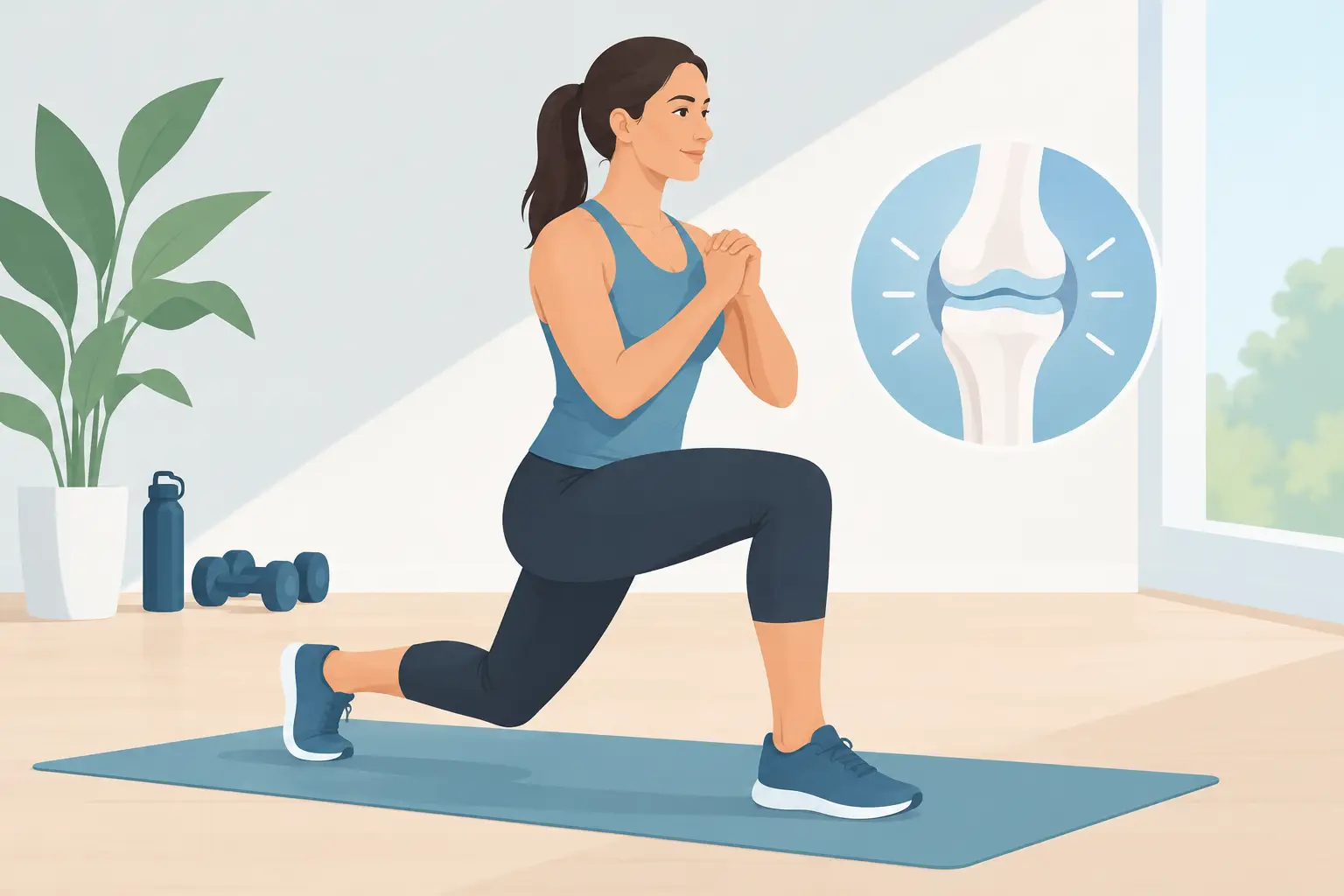
Muscle strength supports far more than exercise. It helps you stand from a chair, climb stairs, carry a kettle, recover your balance after a trip and tolerate longer walks. Strength can reduce after periods of illness, injury, surgery or inactivity, but appropriately prescribed exercise can improve it at any age.
The best starting point depends on your health and confidence. Some people benefit from chair-based exercises before progressing to standing work. Others may need targeted rehabilitation after a hip, knee, shoulder or spinal problem. If pain, breathlessness, dizziness or an existing medical condition is limiting you, an assessment can help establish what is safe and useful for you.
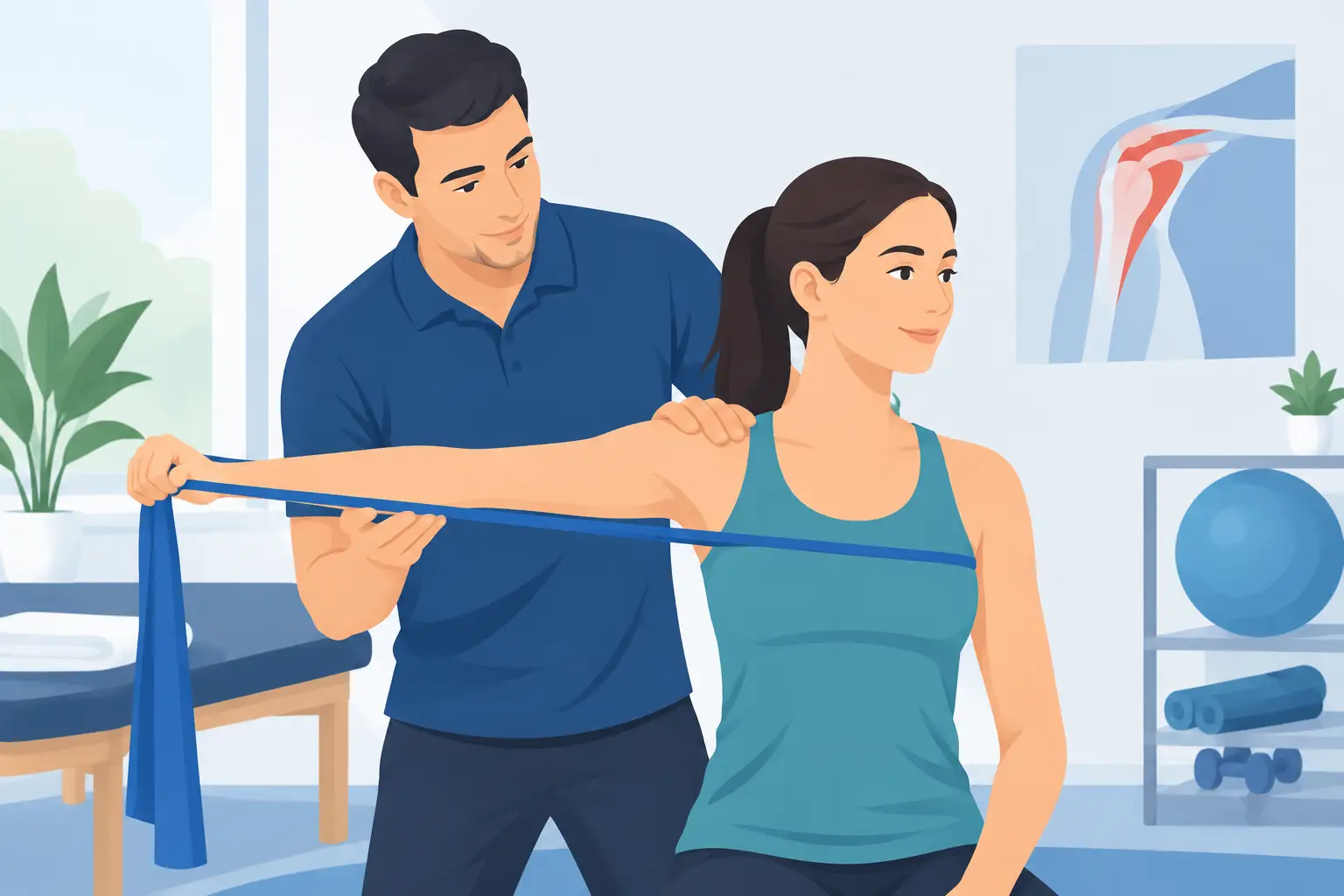
A physiotherapist or osteopath may assess movement, joint range, pain patterns and the way you complete everyday tasks. Treatment may include hands-on care where appropriate, but lasting improvement usually also involves guided movement and a plan to practise between appointments. The right exercises are not necessarily complicated. Consistency matters more than an elaborate routine.
Mobility is not the same as flexibility
Being flexible is not a requirement for moving well. Mobility combines joint movement, muscle control, strength and coordination. Someone may be able to touch their toes yet feel unsteady on a kerb, while another person with a stiff knee may still be highly capable in daily life.
If a particular joint is painful or restricted, it is worth finding out why rather than simply pushing through. Osteoarthritis, tendon problems, previous injury, footwear, altered walking patterns and spinal stiffness can all influence mobility. Individual assessment helps separate the movements that are helpful from those that may aggravate symptoms.
Take balance changes seriously, without fear
A fall can affect confidence long after bruising has healed. Many people begin to restrict walks, avoid stairs or hold back from social activities because they are worried about falling again. Unfortunately, doing less can weaken the legs and reduce balance further.
Balance is trainable. It relies on leg strength, vision, sensation in the feet, inner-ear function, reaction time and the brain’s ability to process information. This is why a careful assessment matters, particularly if falls are recurrent, dizziness is present or there has been a sudden change in steadiness.
Balance rehabilitation can include exercises for weight shifting, stepping, turning and walking in different environments. It may also involve checking how footwear, foot pain, hearing and vestibular symptoms are contributing. The challenge should be enough to create progress, but never so great that you feel unsafe. A clinician can adapt exercises as confidence improves.
There are practical changes worth making at home too. Good lighting, clear routes through rooms, supportive footwear and securely fitted handrails all reduce avoidable hazards. If you use walking aids, make sure they are the right height and still in good condition. These measures do not replace exercise, but they can make daily movement feel less daunting.
Look after feet, hearing and the smaller factors that add up
Independence is often supported by details that are easy to overlook. Painful nails, corns, calluses, reduced sensation or poorly fitting shoes can change the way you walk. Over time, this can affect knees, hips, back comfort and balance. Regular podiatry care and footwear advice can be especially valuable where foot discomfort is causing you to avoid activity.
Hearing also has a role in confidence and connection. Straining to follow conversations can be tiring and may lead people to withdraw from groups they once enjoyed. Hearing changes can also affect awareness of the environment, while some inner-ear conditions can contribute to dizziness or balance problems. A hearing assessment or balance-focused consultation can help clarify what support is appropriate.
Nutrition, sleep, hydration and medication reviews are part of the wider picture. Reduced appetite, poor sleep or medicines that make you drowsy may affect energy and steadiness. Your GP, pharmacist and other healthcare professionals can advise on medical concerns, particularly where symptoms are new, worsening or associated with unexplained weight loss, chest pain, fainting or sudden weakness.
Stay connected to movement and people
The most effective activity is usually the one you are willing and able to continue. That might be a regular walk with a friend, gardening, swimming, dancing, a tailored home programme or an older-adult exercise class. Enjoyment is not an optional extra. It is often what turns good advice into a lasting habit.
Group movement sessions can provide structure and reassurance, especially if you are returning to activity after a gap. They also create a reason to leave the house and see familiar faces. However, group classes are not right for every situation. If you have significant pain, a recent injury, repeated falls or a complex health history, individual guidance first may give you a safer, more confident starting point.
It can help to set goals based on real life rather than exercise targets alone. You may want to walk around a local park without stopping, manage a flight of stairs more comfortably, carry shopping from the car or feel steady enough to travel independently. These goals make progress meaningful and give your treatment or exercise plan a clear purpose.
When to seek personalised support for healthy ageing
You do not need to wait for a major injury or fall before asking for help. An assessment may be useful if pain is changing how you move, you are avoiding activities because of low confidence, your balance has worsened, or you want a structured plan to stay active safely.
At Faringdon Wellbeing Clinic, our multidisciplinary team can look at the factors affecting your movement and wellbeing together. Depending on your needs, this may include physiotherapy, osteopathy, podiatry, audiology, balance rehabilitation, massage or individually tailored exercise support. Coordinated care can be particularly helpful when several issues, such as foot pain, joint stiffness and reduced confidence, are affecting daily life at the same time.
Progress is rarely a straight line. Flare-ups, busy weeks and changes in health can all require a plan to be adjusted. The valuable part is having a clear starting point, professional guidance where needed, and small actions that continue to support your independence. The next step may be as simple as booking an assessment, joining a suitable class or choosing one movement you would like to feel more confident doing this week.