A stiff back when you get out of the car, a sharp catch when you bend to pick something up, or a persistent ache after a day at your desk can quickly affect far more than your comfort. Sleep, work, exercise and confidence in everyday movement can all suffer. Seeing an osteopath for lower back pain may help you understand what is contributing to your symptoms and provide a practical plan to support recovery.
Lower back pain is common, but it is never exactly the same from one person to another. It may follow a sporting injury, an awkward lift, a long period of sitting, pregnancy, a change in activity or no obvious event at all. A careful assessment matters because the most useful treatment is based on you, your symptoms, your health and what you need to get back to doing.
What can an osteopath do for lower back pain?
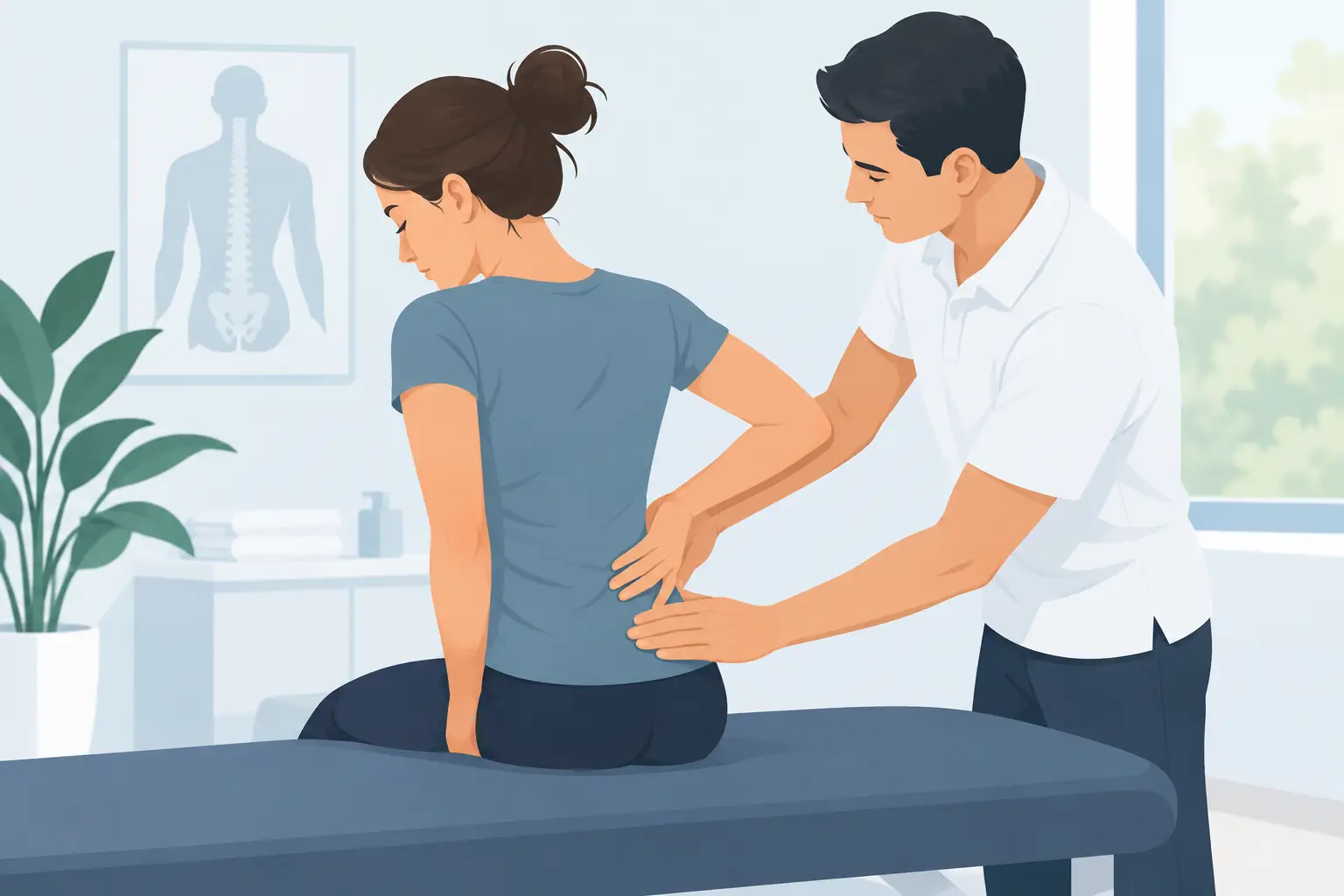
Osteopaths are trained to assess how the muscles, joints, nerves and connective tissues of the body work together. For lower back pain, this means looking beyond the sore area alone. Your osteopath may consider the movement of your hips, pelvis and mid-back, the strength and control of your trunk, your walking pattern, previous injuries and the demands placed on your body at work, in sport or at home.
Treatment is individually tailored. It may include hands-on techniques to address restricted or sensitive joints and soft tissues, alongside advice and exercises to help restore comfortable movement. An osteopath may use joint mobilisation, soft-tissue techniques, stretching or other manual approaches where appropriate. These treatments should be explained clearly, and you should feel able to ask questions or decline anything that does not feel right for you.
Hands-on treatment can be useful for easing pain and stiffness, particularly when it is combined with a plan for gradual return to normal activity. It is not about forcing a back into a particular position. The aim is to help you move with greater ease, understand what your body is tolerating and build confidence in everyday tasks.
Your first osteopathy appointment
A thorough consultation usually begins with a conversation. Your osteopath will ask about where your pain is, when it started, what makes it better or worse, and whether it affects your sleep, work, walking or exercise. They will also ask about your medical history, medication, previous surgery and any symptoms that may need further investigation.
You will then be assessed in a private clinical setting. This may involve observing how you stand, walk, bend, sit or perform movements that relate to your usual activities. With your consent, the osteopath may gently assess the movement and tenderness of your back, hips and surrounding areas. You can wear comfortable clothing, and your practitioner will explain what they are doing throughout.
By the end of the appointment, you should have a clearer idea of the likely factors involved and the proposed next steps. For some people, one or two appointments alongside self-management advice are enough. Others, especially those with longer-standing pain, reduced strength or a demanding return to sport or work, may benefit from a course of treatment and rehabilitation. The number of sessions depends on your response, goals and progress rather than a fixed package.
Lower back pain is rarely just about the lower back
The lower back is built to move, bend, rotate and carry load. Problems can develop when the load placed on it exceeds what it is currently prepared to manage. That could mean a sudden increase in gardening, a new gym programme, repetitive lifting at work, long commutes or simply returning to activity after illness or a busy period.
Stress, poor sleep and worry about movement can also influence pain. This does not mean the pain is “all in your head”. It means pain is a protective experience shaped by the body and nervous system, as well as the context you are living in. A supportive plan often considers pacing, sleep, work set-up and gradual exposure to movements that have started to feel difficult.
For desk-based professionals, small changes to working habits can be as valuable as a treatment session. Frequent changes of position, sensible screen and chair set-up, regular walking breaks and a realistic exercise routine can reduce the strain of staying in one posture for too long. An ergonomic assessment may be useful where work demands are a clear contributor.
For active people, the focus may be on returning to running, cycling, lifting or team sport without repeatedly flaring symptoms. This can involve reviewing training volume, technique, recovery and strength around the hips and trunk. Rest has a role during an acute flare-up, but complete rest for prolonged periods can make the back feel more guarded and less capable. The right balance depends on the severity of your symptoms and the activity you are returning to.
Treatment and rehabilitation work best together
Many people seek treatment because they want relief now, and that is understandable. Manual therapy may help settle a painful episode and make movement feel easier. However, lasting progress often comes from pairing treatment with a manageable rehabilitation plan.
Your exercises should fit your starting point. If bending to put on shoes is difficult, the first goal may be improving this everyday movement rather than attempting a complex workout. If you are training for an event, your plan may need to progress towards heavier loading, faster movement or sport-specific tasks. Exercises are not a punishment or a generic checklist. They are a way to help your body regain capacity for the things that matter to you.
An osteopath may also advise on heat, activity modification and ways to make daily tasks more comfortable while symptoms settle. Advice should be practical. If you have to lift a toddler, care for a relative, work on your feet or drive for your job, those realities should shape the plan.
When a wider team approach may help
Lower back pain can be straightforward, but not always. If your recovery has stalled, you have an injury involving a tendon or joint, or you need more structured exercise support, coordinated care can be helpful. Osteopathy and physiotherapy often overlap in their approach to musculoskeletal pain, while each practitioner brings their own training and clinical perspective.
At Faringdon Wellbeing Clinic, an osteopathy appointment can be part of a wider, evidence-informed plan where needed. This may include physiotherapy-led rehabilitation, sports and remedial massage, acupuncture, ergonomic guidance or diagnostic musculoskeletal ultrasound assessment. The appropriate option depends on your presentation, goals and clinical findings. Good care means recommending only what is likely to be useful, not adding treatments for the sake of it.
When should you seek urgent medical advice?
Most episodes of lower back pain are not caused by a serious condition, but certain symptoms need prompt medical assessment. Seek urgent help if back pain is accompanied by new difficulty controlling your bladder or bowels, numbness around the genitals or buttocks, significant or worsening leg weakness, unexplained weight loss, fever or feeling generally unwell, or pain following a serious accident.
You should also speak to a GP or appropriate healthcare professional if your symptoms are severe, rapidly worsening, persistently disturbing your sleep, or if you have a history of cancer, osteoporosis, infection or long-term steroid use. An osteopath will screen for concerns during your consultation and refer you onwards when necessary.
Choosing the right support for your back
It is reasonable to want someone who listens, explains their findings in plain language and gives you a role in decisions about your care. Ask what the assessment suggests, what treatment is proposed, what you can do between appointments and how progress will be reviewed. You should leave with a plan that feels realistic, not overwhelming.
An osteopath for lower back pain can provide more than a short-term response to stiffness or discomfort. With an individual assessment, appropriate hands-on care and rehabilitation that fits your life, the focus can move towards easier movement, greater confidence and a return to the activities that help you feel like yourself.