A trapped nerve can make ordinary movements surprisingly difficult. Typing, gripping a steering wheel, walking, sleeping on one side or reaching overhead may bring tingling, burning, numbness or a sharp electric pain. Nerve hydrodissection for trapped nerve symptoms is an ultrasound-guided treatment that may be considered when a nerve is irritated or restricted by the tissues around it.
The aim is not simply to quieten pain for a few hours. A careful assessment looks at why the nerve is under pressure, whether the diagnosis is correct, and what combination of treatment and rehabilitation may help you move with greater comfort and confidence.
What is nerve hydrodissection for a trapped nerve?
Nerves need to glide smoothly as you move. They travel through narrow anatomical spaces and alongside muscles, tendons, fascia, ligaments and scar tissue. Following injury, repetitive loading, swelling or surgery, the tissue around a nerve can become tight, inflamed or less mobile. This can make the nerve sensitive to movement or compression.
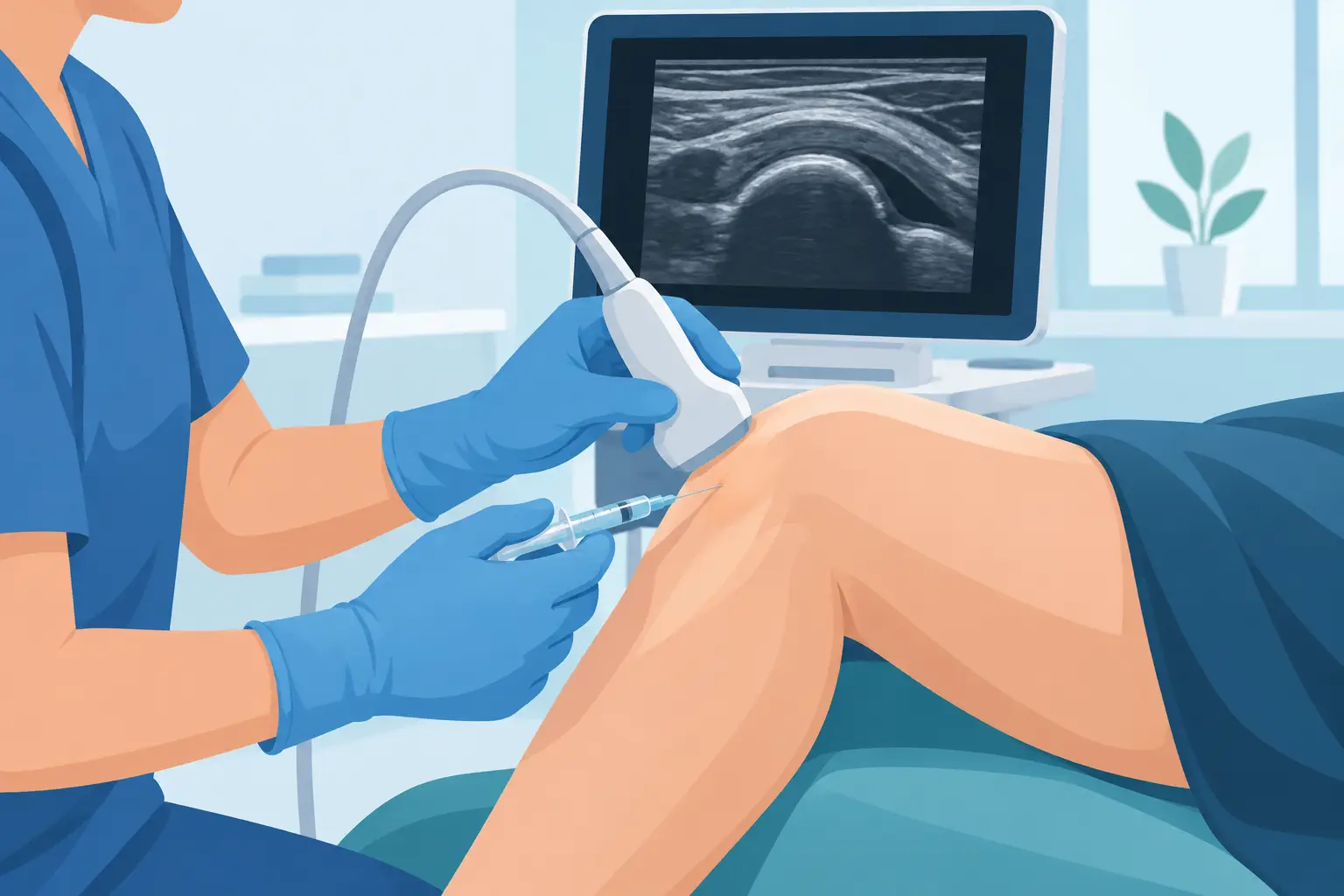
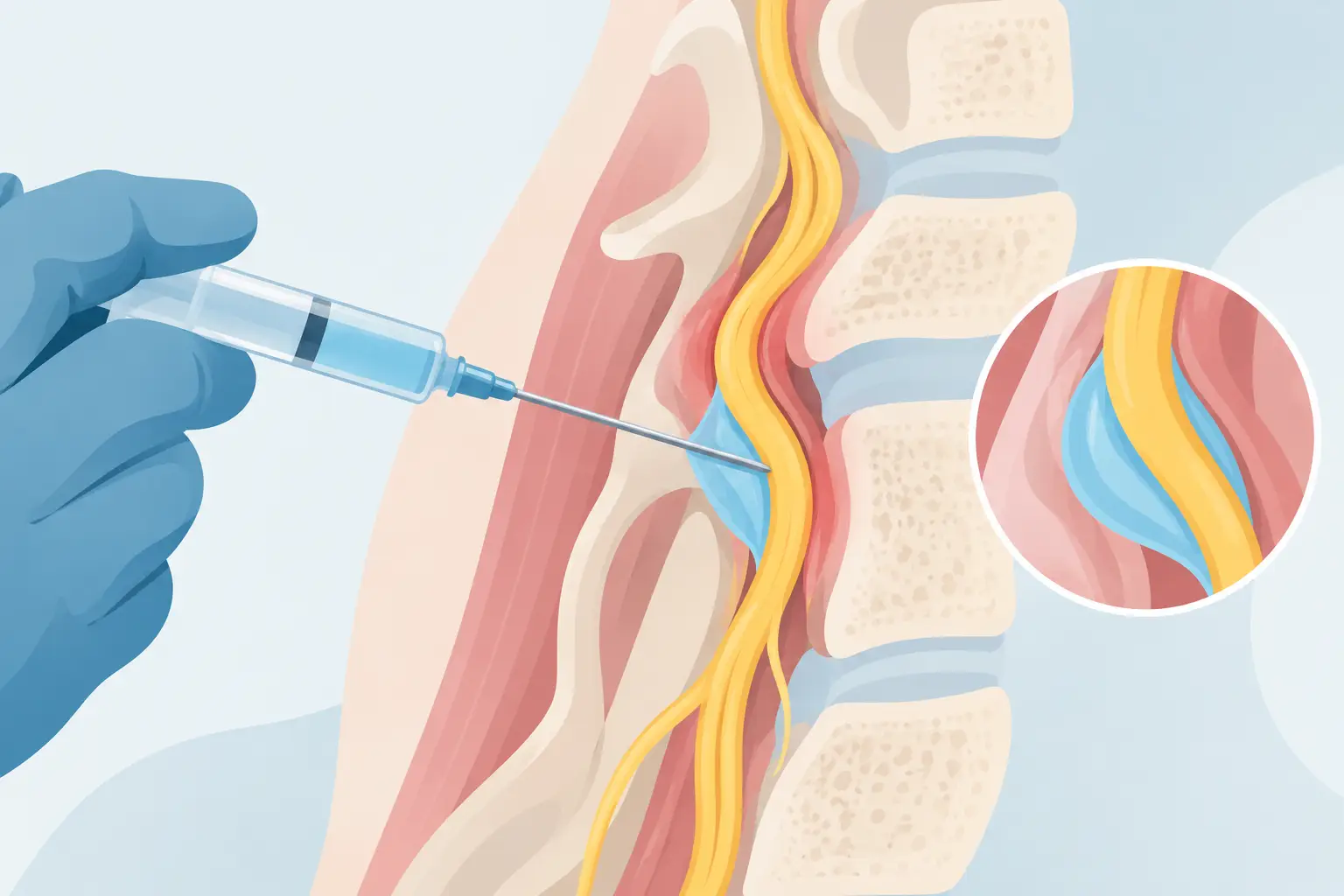
Hydrodissection is a precise injection technique performed under ultrasound guidance. A trained clinician uses the ultrasound image to identify the nerve and surrounding structures in real time. A fine needle is then positioned beside, rather than into, the nerve, and fluid is introduced to gently separate the nerve from neighbouring tissue planes.
The term can sound more dramatic than the procedure itself. It does not involve cutting tissue or surgically releasing the nerve. The fluid is used to create space around the nerve and may improve its ability to glide. Depending on the clinical picture and practitioner’s protocol, the injectate may include sterile saline, local anaesthetic, dextrose solution or, in selected situations, another medication.
When might hydrodissection be considered?
Symptoms labelled as a “trapped nerve” do not all have the same cause. Pain in the hand may originate at the wrist, elbow, shoulder or neck. Pins and needles in the foot can relate to local nerve irritation, footwear pressure, lower back referral or a wider health issue. This is why an assessment matters before any injection is discussed.
Hydrodissection may be considered where examination and ultrasound findings suggest that a peripheral nerve is irritated or tethered locally. Examples can include median nerve symptoms at the wrist in carpal tunnel syndrome, ulnar nerve irritation around the elbow, superficial nerve irritation after a scar or injury, or selected nerve problems in the ankle and foot.
It is not automatically the right option for every person with tingling or pain. Severe or progressive weakness, marked loss of sensation, symptoms following significant trauma, or concerns that symptoms may be coming from the spine may require a different pathway. Sometimes nerve conduction studies, imaging, medication review or referral to a GP, consultant or surgical specialist is more appropriate.
Why ultrasound guidance matters
The structures around a nerve are small and variable. Ultrasound allows the clinician to assess the nerve dynamically: how it sits in relation to a tendon, muscle, blood vessel, scar or tight tunnel, and whether it changes position with movement.
During the procedure, ultrasound also supports accurate needle placement and observation of the fluid spreading around the intended tissue plane. This level of visual guidance is particularly valuable when working near nerves and blood vessels. It helps the practitioner plan the treatment carefully, although no procedure is entirely without risk.
At Faringdon Wellbeing Clinic, ultrasound-guided musculoskeletal treatments sit within a wider approach to assessment, rehabilitation and movement support. This means an injection can be considered as one part of an individually tailored plan, rather than a stand-alone answer to every nerve symptom.
What happens at an appointment?
Your first consultation should begin with your story. The clinician will ask about the location and pattern of symptoms, what aggravates or eases them, previous injuries or operations, work and sporting demands, and any relevant medical conditions or medicines.
They will assess movement, strength, sensation and areas of tenderness. If ultrasound is appropriate, it may be used to examine the suspected area. The findings help establish whether hydrodissection is likely to address the problem, whether a different treatment would be more useful, or whether further investigation is needed.
If you decide to proceed, the skin is cleaned and ultrasound gel is applied. Local anaesthetic may be used to make the procedure more comfortable. You will usually be able to remain awake and communicate throughout. The clinician watches the needle and the distribution of fluid on the ultrasound screen, making small adjustments where necessary.
Afterwards, the area may feel temporarily sore, full or bruised. If local anaesthetic has been used, symptoms can briefly feel improved or altered while it is active. You will be given clear aftercare advice based on the site treated, your work, exercise routine and the type of injection used.
What results can you expect?
Response varies. Some people notice a change in pain, tingling or movement within days, while others improve more gradually over several weeks. For some, hydrodissection reduces local irritation enough for strengthening, nerve-gliding work, changes to activity and hands-on treatment to become more manageable. Others may have limited or short-lived benefit and need a different plan.
The outcome depends on several factors: how long the symptoms have been present, the degree of nerve compression, ongoing loading at work or sport, diabetes or inflammatory conditions, previous surgery, and whether the nerve is affected at more than one point. A longstanding, severe compression may not respond in the same way as a recent local irritation.
For this reason, it is sensible to view the injection as a potential window of opportunity. Relief can make it easier to address the movement habits, tissue loading, ergonomics or rehabilitation needs that may otherwise keep the problem active.
Rehabilitation still has an important role
A nerve rarely becomes irritated in isolation. For a desk-based worker with hand symptoms, keyboard position, mouse use, posture, breaks and grip habits may all contribute. For a runner with foot symptoms, footwear, training volume, calf strength and ankle mobility may be relevant. For someone recovering from surgery or injury, scar mobility and gradual return to activity can be central.
Your plan may include physiotherapy, osteopathy, podiatry input, ergonomic advice, targeted exercises or soft-tissue treatment, depending on the source of the problem. Nerve-gliding exercises can be helpful for some people, but they need to be prescribed carefully. A nerve that is highly sensitive can be aggravated by exercises that are too forceful or frequent.
The practical goal is to restore useful movement without repeatedly provoking symptoms. That may mean temporarily adapting a task, changing the way you train, or pacing activities rather than stopping everything you enjoy.
Risks, safety and when to seek advice
Hydrodissection is generally carried out with careful aseptic technique and ultrasound guidance, but every injection has potential risks. These include temporary soreness, bruising, bleeding, infection, an allergic reaction, a flare in symptoms, or incomplete relief. Although the technique is designed to protect nearby structures, nerve irritation or injury is a rare but important risk to discuss with your clinician.
Tell your practitioner about blood-thinning medication, diabetes, allergies, pregnancy, immune conditions, a history of fainting with injections, or any current illness or skin infection near the treatment area. These details help them decide whether the procedure is suitable and how to plan it safely.
Seek urgent medical advice for new or worsening weakness, rapidly spreading numbness, severe swelling, fever, increasing redness or pain after an injection, or loss of bladder or bowel control alongside back and leg symptoms. These are not symptoms to manage through self-treatment alone.
Choosing the right next step
The most useful question is not simply, “Can an injection fix this?” It is, “What is irritating this nerve, and what will give me the best chance of returning to the activities that matter to me?” A thorough assessment gives you the information to make that choice with your clinician. Whether hydrodissection is suitable or not, the right plan should leave you with clear options, realistic expectations and support for the way you want to move through daily life.