A stiff first few steps after sitting, discomfort on the stairs, or a shorter walking distance than usual can make hip arthritis feel as though it is shrinking your world. The best exercises for hip arthritis are not about pushing through pain or forcing the joint to move further than it can. They are about building strength, maintaining comfortable movement and helping you stay confident with the everyday activities that matter to you.
Hip arthritis, also called hip osteoarthritis, affects the joint surfaces and can cause pain, stiffness, reduced movement and changes to the way you walk. Symptoms vary widely. One person may mainly notice groin pain when getting out of the car, while another feels an ache in the buttock or thigh after gardening. A well-chosen exercise programme can support the muscles around the hip, improve balance and make daily movement feel more manageable.
Why exercise helps an arthritic hip
When a hip is painful, it is understandable to move less. Yet avoiding movement altogether can lead to weaker leg and buttock muscles, more joint stiffness and lower confidence. The hip does not work alone: your glutes, thigh muscles, trunk and lower leg all help you stand, walk, climb steps and keep your balance.
Exercise cannot reverse arthritis, but it can make a meaningful difference to symptoms and function. The right amount depends on your current pain level, general health, balance and goals. Someone preparing for a walking holiday will need a different starting point from someone who is struggling to rise from a chair.
A small increase in discomfort while exercising can be acceptable, particularly when you are beginning. Pain should settle reasonably soon afterwards and should not leave you noticeably worse the next day. If symptoms flare for more than 24 hours, reduce the number of repetitions, range of movement or frequency before building up again.
Best exercises for hip arthritis
Aim to move with steady, controlled technique rather than chasing large movements. Start with one set of each exercise on most days, or every other day for strengthening work, and build gradually as your body adapts. A supportive chair, worktop or banister can be useful for balance.
1. Sit-to-stand
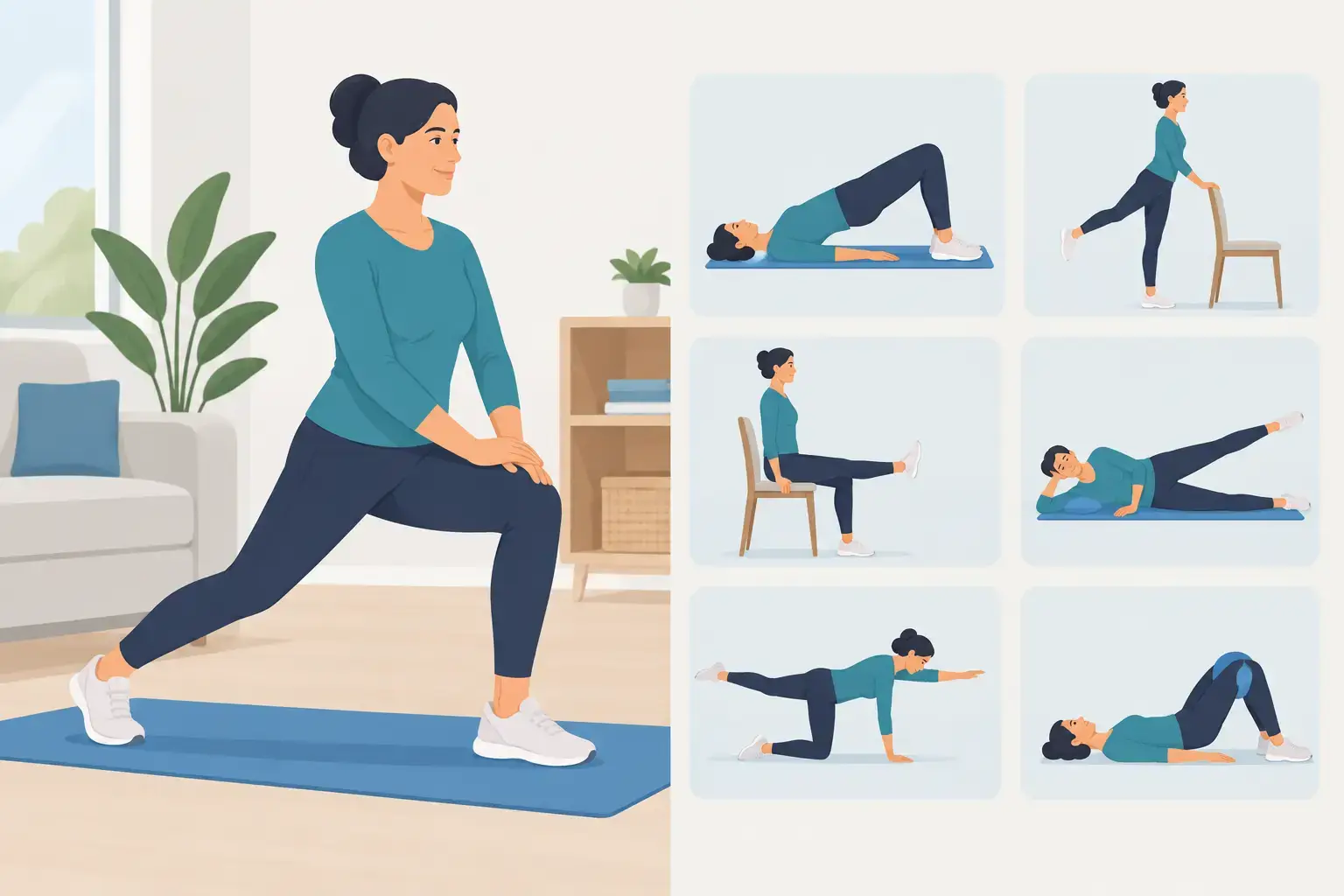
Sit towards the front of a firm chair with both feet flat on the floor, roughly hip-width apart. Lean your chest slightly forwards, press through your feet and stand up. Lower yourself back to the chair slowly and with control.
This is one of the most useful functional exercises because it practises a movement you perform many times each day. It strengthens the thighs and buttocks while improving confidence with getting up from chairs, the toilet or the car. Begin with five repetitions. If this feels too demanding, use a higher chair or place a firm cushion on the seat. Try not to drop heavily back into the chair.
2. Glute bridge
Lie on your back with your knees bent, feet flat and arms resting by your sides. Tighten your buttocks gently and lift your pelvis until your body forms a comfortable line from shoulders to knees. Pause briefly, then lower slowly.
Bridges strengthen the gluteal muscles, which help control the hip during walking and standing. Keep the movement comfortable and avoid arching your lower back. If lying down is awkward or difficult to get up from, this exercise may not be the best choice initially. Sit-to-stands and standing exercises can offer an effective alternative.
3. Standing hip abduction
Stand upright beside a kitchen worktop or the back of a sturdy chair. Keeping your pelvis level and toes facing forwards, slowly move one leg out to the side. Return with control, then repeat on the other side.
The muscles on the outside of the hip help stabilise your pelvis when you walk. Weakness here can contribute to a limp or a feeling that the hip is less secure. The movement only needs to be small. Leaning your body sideways or turning your toes out tends to shift the work away from the intended muscles.
4. Supported mini-squat
Hold a worktop or sturdy chair for support. With feet about hip-width apart, bend your knees and hips slightly as though you are about to sit down, then press through your feet to return to standing. Keep your knees pointing in the same direction as your toes.
Mini-squats strengthen the hips and legs in a practical standing position. Only lower as far as feels controlled and comfortable. If your knees or hips are particularly irritable, a shallower bend is still worthwhile. Quality matters more than depth.
5. Heel slides
Lie on your back with both legs straight. Slowly slide one heel towards your bottom, bending the knee and hip only as far as is comfortable, then slide the leg straight again. You can place a towel or plastic bag beneath the heel to make the movement easier on carpet.
Heel slides are a gentle way to maintain hip and knee movement, particularly on stiff days or after a period of sitting. They are not intended to be forceful. If you feel a sharp pinch at the front of the hip, stop before that point and work within a smaller range.
6. Hip flexor stretch
Stand in a split stance near a worktop, with the more affected leg behind you. Keep your body upright, gently tuck your pelvis under and shift your weight forwards until you feel a mild stretch at the front of the back hip. Hold for 20 to 30 seconds, breathing normally.
Hip flexors can feel tight when you have been sitting more or walking with a shortened stride. This stretch should feel like a gentle pull, not joint pain or back strain. Avoid forcing the back leg straight if that increases discomfort.
7. Side-lying leg lift
Lie on your less painful side with the lower knee slightly bent and the top leg straight. Lift the top leg a short distance, keeping it in line with your body, then lower slowly. A pillow between or beneath the knees can improve comfort.
This is a more focused strengthening exercise for the outer hip muscles. It can be challenging, so even five controlled repetitions may be enough at first. If lying on either side aggravates your symptoms, choose standing hip abduction instead.
8. Low-impact aerobic movement
Strength exercises work best alongside regular activity that raises your heart rate without repeatedly aggravating the hip. Walking, stationary cycling, swimming and water-based exercise are all useful options. The best choice is the activity you can perform consistently and recover from well.
Cycling often feels more comfortable than walking for people with hip arthritis because it is low impact, although the seat height needs to be right. A seat that is too low can make the hip bend excessively. In the pool, water supports some body weight, but getting in and out safely is just as important as the exercise itself.
How to make your programme work
A little and often usually produces better results than one ambitious session followed by several days of pain. You might begin with five sit-to-stands, five standing leg lifts on each side and a short walk, then add a repetition or a few minutes every week if your symptoms remain settled.
On a more painful day, choose gentle mobility work, shorter walks or a warm shower before moving. On a better day, resist the temptation to do everything at once. Pacing is not avoiding activity; it is planning activity so you can keep doing it.
Footwear, sleep, general fitness and other joints can also affect the hip. For example, persistent foot pain may alter the way you walk, while poor balance can make you reluctant to exercise outdoors. This is where an individual assessment can be particularly valuable.
When to seek professional guidance
It is sensible to seek advice before starting if you have recently had hip surgery, a joint replacement, a significant fall, severe osteoporosis, or another condition affecting movement or balance. Stop exercising and seek urgent medical advice for a hot, swollen joint, fever, sudden inability to bear weight, severe unrelenting pain or pain following a significant injury.
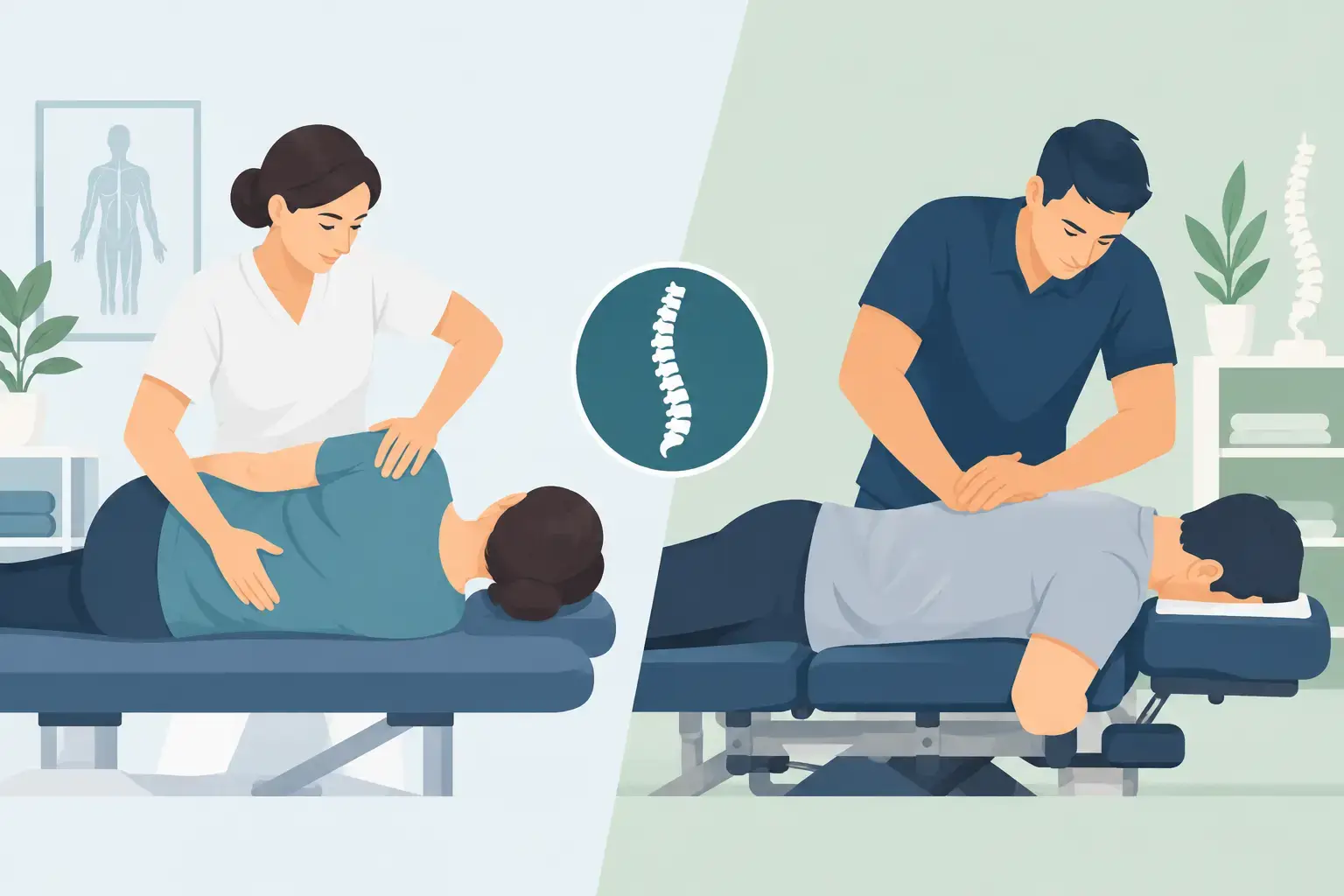
If exercises repeatedly cause a sharp catch, night pain is worsening, or you are unsure whether your symptoms are coming from the hip, back or another area, an assessment can help clarify the picture. A physiotherapist or osteopath can assess how your hip, back, pelvis, knees and feet are working together, then tailor exercise selection and progression to you. At Faringdon Wellbeing Clinic, our expert team can provide practical rehabilitation support designed around your mobility, confidence and everyday goals.
The most helpful plan is the one that fits into your real life. Start with a manageable movement today, notice how your body responds, and let steady progress rebuild trust in what your hip can do.