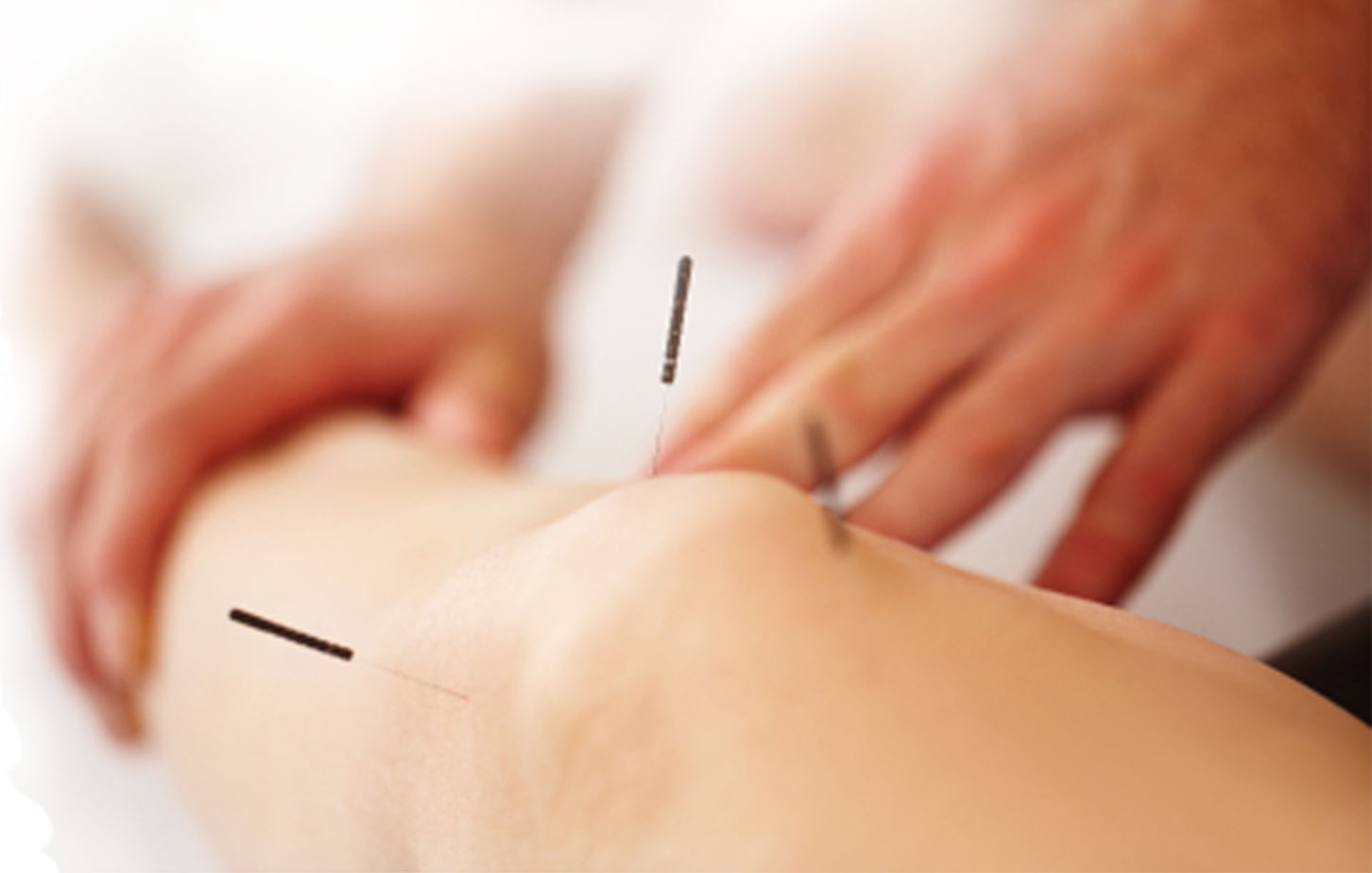
Osteopathy is a distinct, body-wide approach to treating low back pain, neck pain and physical problems in any area of the body.
Osteopathy is primarily, but not exclusively, a hands-on (manual) therapy aimed at releasing tensions, compressions and distortions of the physical parts of the body, be they joints, muscles, ligaments, fascia or any combination of these. Improving overall function is always the goal.
An Osteopath looks to assess each individual person, considering their uniqueness in terms of their presenting issue, medical and physical injury histories, their lifestyle and work demands, their expectations, hopes and beliefs. Put simply, the osteopath will try to uncover anything that might help to inform an effective treatment and management plan which aims to alleviate symptoms, and also assist the person in making lifestyle choices to prevent recurrence as far as possible.
Common Conditions that Osteopaths can Treat :
Back pain is one of the most common reasons people consult osteopaths. Back pain affects over 80% of the population at some stage of their lives, and that figure is growing. Back pain may vary from a slight niggling ache to sharp debilitating pain that can affect every part of the back and also radiate to other areas of the body. Some causes of back pain include bad posture, poor seating, unsupportive beds and pillows, incorrect lifting, sedentary lifestyle, stress (both physical and mental), trauma, sports injuries, pregnancy, “wear and tear”… the list goes on. So what can be done?
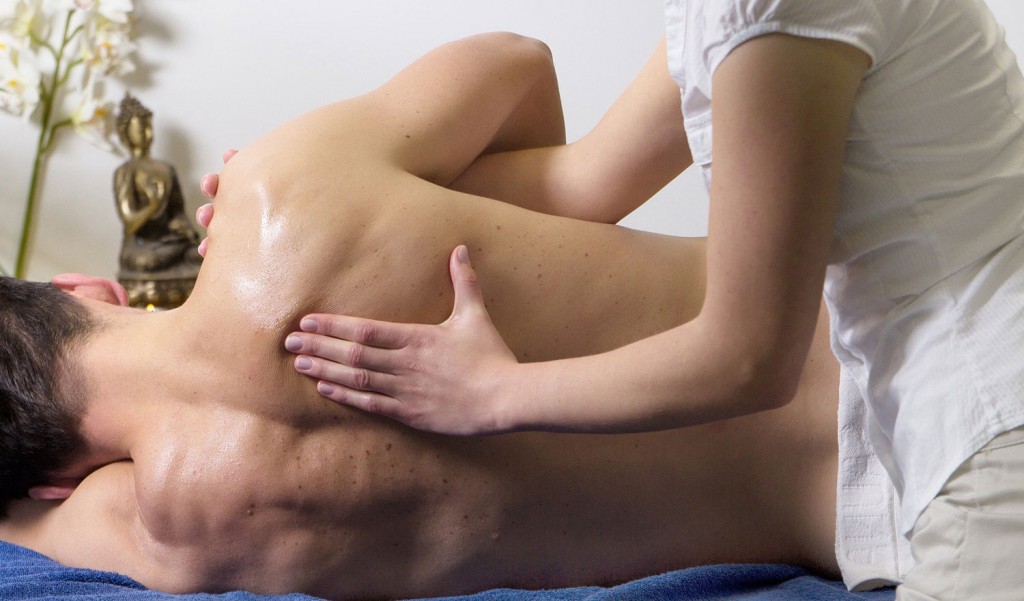
An osteopath is the natural and drug free way to combat back pain.
For a long term solution to lower back pain, one cannot look towards pain killers. They do not offer a permanent solution, and the problem will only get worse with time.
Back pain can be a debilitating disease or just a little niggle – but any sign of pain means that there is something wrong with your health.
Osteopathic adjustments provide a safe and effective treatment for back pain and are a proven way of relieving pain and rehabilitating the spine. Osteopaths aim for long term solutions, and through a maintenance program, keep you feeling well and pain free. The osteopath aims to restore normal function to your body allowing normal motion and posture.
The most common type of arthritis is osteoarthritis, also called degenerative arthritis. Over 50% of people over the age of 65 suffer from arthritis. This type of arthritis begins years before any bone changes are found on x-ray. The impact of this disease process can be profound and the suffering immense. Poorly functioning joints do not tolerate loads and stresses, increasing the likelihood of osteoarthritis.
Arthritis is a problem of joints, and not a problem of old age.
Just like the proper alignment of tyres on your car, osteopathy can maximize the “mileage” you derive from your joints.
To treat arthritis and eliminate joint pain, an accurate diagnosis of the joint, as well as all of the other possible problem sources, is vital. To treat arthritis with pain killers, without knowing the cause of the joint problem, is crazy. Covering over the pain usually leads to problems in other areas, and does nothing to fix the source of the problem! Injecting cortisone or some other steroid deteriorates the cartilage and leads to future joint destruction. Too many times, patients have been given the diagnosis of arthritis without an accurate diagnosis. Arthritis is not a normal sign of aging so patients don’t have to accept this rush to judgement type of diagnosis.
Osteopaths do not take arthritis away but they can often alleviate the pain and movement restriction that is often associated with the condition. Osteopaths are well suited to play a role in maintaining or increasing joint mobility and function. They are trained to help with many of the problems that senior citizens encounter. Osteopaths work to reduce the advancement of wear and tear, helping your body to work at its best. Even when there is severe arthritis, gentle osteopathic methods can assist in maintaining a reasonable degree of mobility.
Regular osteopathic care aims to maximise movement and balance of muscles and joints, gently and within their current ability. Years of use and misuse of your body may not show its effect until your lifestyle changes (which can occur at anytime, but especially at retirement). Wear and tear causes damage and stiffness in joints, muscles and ligaments that can result in pain and poor movement.
Osteopaths able to advise the patient in exercise. We can customize exercises that will allow the muscles to be strengthened. When your muscles are strong, less strain is placed on your joints.
Sciatica is a general term describing pain from irritation or compression of the sciatic nerve and its branches. Its symptoms are generally pain down the back of the legs and can sometimes be felt in the ankles, feet & toes. Even when sciatica originates from the lower part of the spine, low back pain isn’t necessarily present. A prolapsed disc may cause sciatica but there are other conditions, such as spinal decay, that can cause irritation of the sciatic nerve. If left untreated for too long, medical intervention may be required, although surgery is not always successful.
This is why osteopaths stress that treatment begins upon the first hint of sciatic symptoms. Osteopaths are trained to assess the patient to ascertain what the cause of sciatica is. Sometimes the osteopath may need to work in conjunction with other health care professionals to enable the patient to receive the best management for their condition.
Osteopathic care will help combat sciatica, and potentially avoid surgery or long standing pain.
Regardless of age, when spinal damage goes uncorrected, the body deposits calcium on the surface of adjacent bones that aren’t moving properly. If neglected long enough, this splinting affect can result in complete fusion. This worsening process is called spinal decay and can occur throughout the spine. There are several phases of spinal decay but with early detection, appropriate osteopathic care has been shown to slow or stop the early stages of this process.
As with leg pain, the most important thing to do is to determine what is causing it. Your osteopath has been trained to accurately diagnose the problem and treat accordingly. Whether the pain is arising from a frozen shoulder, tennis/golfers elbow, carpal tunnel syndrome, repetitive strain injury, sports injuries, awkward sleeping positions, or the way you sit at work for 8 hours a day, your osteopath will explain to you the best course of action.
Most problems can be related to a large nerve outlet called the brachial plexus. The nerves that service your arms and shoulders all meet here before they branch off. All it takes is a compressed (pinched) nerve to throw the whole system off balance. This can cause tingling in the fingers, and unpleasant feelings of heat, cold and swelling.
Sports injuries can be a very real problem for all athletes. Osteopaths are not just concerned with the treatment of sports-related injuries but how to prevent them in the first place and how to help enhance performance.
Your body can be fine tuned by working out daily and striving towards your personal goal, but can you be better through osteopathy?
Sports injuries are often problems that arise when increased demand is applied to a body part that is not functioning properly in the first place. These might include spinal or pelvic misalignment, muscle imbalance and poor posture to mention but a few. Athletes require all parts of their body to be working at there optimum to be able to work in a co-ordinated and cohesive manner. At competitive levels, athletes may not be able to take drugs for inflammation and pain relief. Osteopaths can offer pain relief with out drugs. We are able to assist the athlete in achieving optimum body mechanics, ensuring maximum performance whilst conserving energy.
Your osteopath can help you recover quicker, with less pain. More importantly an osteopath can uncover underlying problems and by correcting them, help prevent your problem from recurring. Osteopathic care for these types of injuries has become increasingly popular. Whether you are professional athlete, a jogger or a weekend warrior, osteopathy can help you.
Your osteopath will be able to give you advice on appropriate fitness workouts, regular stretching, preparation exercises, training programme to suit your needs, footwear and clothing, appropriate strapping and nutrition.
Because headaches are so common, some people think they are a normal part of life. Painkillers might give some relief from your headaches, but they do not address the cause of the problem.
Headaches are common but they’re not normal.
Mechanical stress in the form of poorly functioning neck joints can affect the nerves of the face, head and neck. There can be damage to the muscles and ligaments of the neck, a jaw imbalance and problems in other areas of the spine. When spinal nerves and associated tissues are stretched or irritated they can produce throbbing headaches.
Pain killers just hide the cause, allowing your problem to get worse.
Emotional stress can increase muscular tension, especially at the base of the neck, head and jaw. This tension can irritate nerves and upset the blood flow, causing headaches. After your osteopath has carefully diagnosed your condition, he can then give you recommendations for care. If yours is not an osteopathic case, you will be referred to the appropriate health care provider.
Many people find relief. Our osteopaths have the skills necessary to take a full medical history, make a diagnosis as to whether the headaches are a sign of a more serious condition, carry out manual treatment where necessary and give various forms of advice, such as diet, exercise, ergonomics etc.
Whiplash is a common car accident injury. Whiplash can occur even at relatively low impact speeds and does not necessarily cause any pain at the time of the accident, because of the body’s ability to compensate for injuries. Problems can arise weeks, months or even years later.
Injuries to the neck caused by sudden movements of the head either backward, sideways or forwards takes the framework of the spine beyond its normal limits with the vertebrae being forced out of normal position and function. The violent movement can cause the muscles, ligaments and tendons supporting the spine and head to be overstretched and torn. The shock absorbers of the spine, the discs, can bulge, tear or rupture. The nerve roots and the spinal cord can become stretched and irritated. The occupant can receive a considerable amount of soft tissue injury. This leads to instability of the spine and soft tissues.
The symptoms that can arise from this resulting instability are as follows:
- neck ache
- Headaches
- Dizziness
- Blurred vision
- Pain, pins and needles, numbness or muscle spasm in the shoulder
- Pain, pins and needles, numbness or muscle spasm in the arm
- Pain, pins and needles, numbness or muscle spasm in the hands
- Reduced ability to turn and bend
- Low back problems
Symptoms may not appear for weeks or even months, as the body attempts to adapt to the changes that have taken place.
The osteopath will diagnose and treat your condition using manual techniques to return your framework to normal function. If caught early enough the inflammation can be reduced and often the scar issue can be minimised. Our osteopaths will advise against the use of standard neck collars as they can cause the supportive muscles to weaken, lengthening the recovery time.
TTensionTension and stress is an unavoidable part of life, but its effects on the body can be profound, contributing to muscle tension, headaches, and even digestive issues. Osteopathy offers an effective way to manage stress by addressing its physical manifestations and promoting relaxation. Techniques like soft tissue manipulation and cranial osteopathy are particularly beneficial for reducing tension and encouraging a sense of calm.
Chronic pain can significantly impact daily life, limiting mobility, productivity, and mental wellbeing. Osteopathy offers a targeted approach to pain management by addressing the root causes of discomfort rather than merely alleviating symptoms. Common conditions treated include lower back pain, neck tension, migraines, and joint inflammation.
The human body functions as an interconnected system, where imbalances in one area can ripple through and affect overall health. Osteopathy focuses on restoring this balance, ensuring that each system—muscular, skeletal, circulatory, and nervous—works harmoniously together. By addressing structural misalignments and improving circulation, osteopathy supports better organ function, mobility, and energy levels.
Buttock, leg and foot pain
Leg pain doesn’t always mean there is something wrong with the leg itself. Because of the way your nervous system functions, you may, for example, have pain in your foot when the problem actually lies in your lower back. Your osteopath will be able to identify whether the source of your problem is where you feel the pain (such as that with arthritic pain), or if it is radiating from another part of your body, and then treat you accordingly.
Osteopaths are medically trained to diagnose many causes of disease and then refer if treatment is not appropriate
Osteopathy can help manage symptoms of Chronic Fatigue Syndrome (CFS) and Fibromyalgia (FM) by improving pain, mobility, and sleep through techniques like gentle massage, stretching, and lymphatic drainage stimulation, often focusing on releasing muscle tension and improving circulation. A specific osteopathic approach, The Perrin Technique, targets potential toxin buildup in the brain/spinal cord linked to CFS/ME by stimulating lymphatic drainage, aiming to reduce central nervous system stress and improve energy. While many patients report benefits, a key study found no significant difference over sham treatment for some measures, highlighting the need for individualized care and varied management strategies.

Our clinic osteopaths

Marianne Damgaard Jensen

Ruari Scott